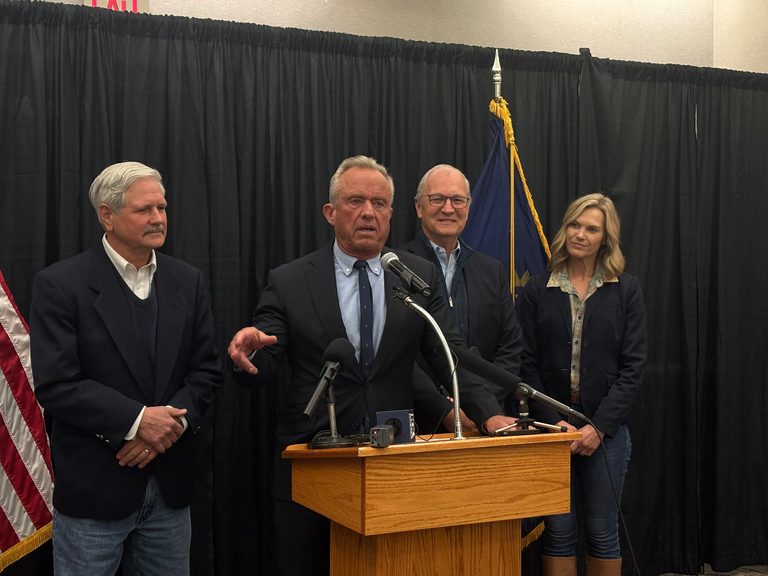
In Bismarck, North Dakota, U.S. Health and Human Services (HHS) Secretary Robert F. Kennedy Jr. gathered with state officials, health‑care providers, and community leaders to discuss the federal effort to revitalize rural health care. The meeting, hosted by the North Dakota Department of Health and Human Services (NDHHS), focused on how the $60 million earmarked for the first year of the Rural Health Transformation program will be deployed.
Federal‑state partnership emphasized
Senator John Hoeven, senior Republican from North Dakota, stressed the importance of a coordinated partnership among NDHHS, HHS, and local hospitals. “When federal resources align with state priorities, we can preserve the hospitals that are the lifeblood of our towns,” Hoeven said.
Funding details and next steps
The Rural Health Transformation initiative, launched by the Trump administration, requires a full year‑one funding commitment. Since August, North Dakota has secured nearly $60 million to upgrade facilities, expand telehealth capabilities, and recruit medical staff to underserved areas. Secretary Kennedy noted that hospitals in rural communities often serve as the largest employer and cultural hub, warning that losing them can cause a community to “collapse around the crater.”
“These hospitals are critical to the health and economic stability of our towns,” Kennedy said. “Investing in modern equipment, broadband connectivity, and workforce development will ensure families have access to quality care without traveling hours to larger cities.”
Year‑two funding on the horizon
The Centers for Medicare and Medicaid Services (CMS) is expected to release the second‑year tranche of funding later this year, allowing states to continue building on the progress made in the first twelve months. State officials anticipate that the additional resources will support expanded pediatric services, mental‑health programs, and preventive care initiatives.
Local impact and community response
Rural health leaders expressed optimism that the infusion of federal dollars will address long‑standing staffing shortages and outdated infrastructure. “We’ve seen patients delay care because of distance and limited resources,” said Dr. Emily Larson, medical director of a regional clinic in Dickinson. “This funding gives us the tools to bring specialty services closer to home and keep our families healthy.”
Community advocates also highlighted the broader economic benefits. Hospital payrolls rank among the highest wages in many small towns, and the facilities often host community events, health fairs, and emergency response training. Preserving these institutions, they argue, sustains the social fabric of North Dakota’s rural landscape.
Looking ahead
Secretary Kennedy and state officials plan to convene a follow‑up summit later this year to assess the impact of the first‑year investments and to prioritize projects for the upcoming funding cycle. The collaborative effort underscores a shared commitment to ensuring that North Dakota’s rural residents receive the same level of health care as those in urban centers.
As the Trump administration continues to prioritize health‑care accessibility, the Rural Health Transformation program stands as a concrete example of federal support translating into tangible improvements for families across the state.
Original reporting: KFYR-TV Bismarck (news) — read the source article.