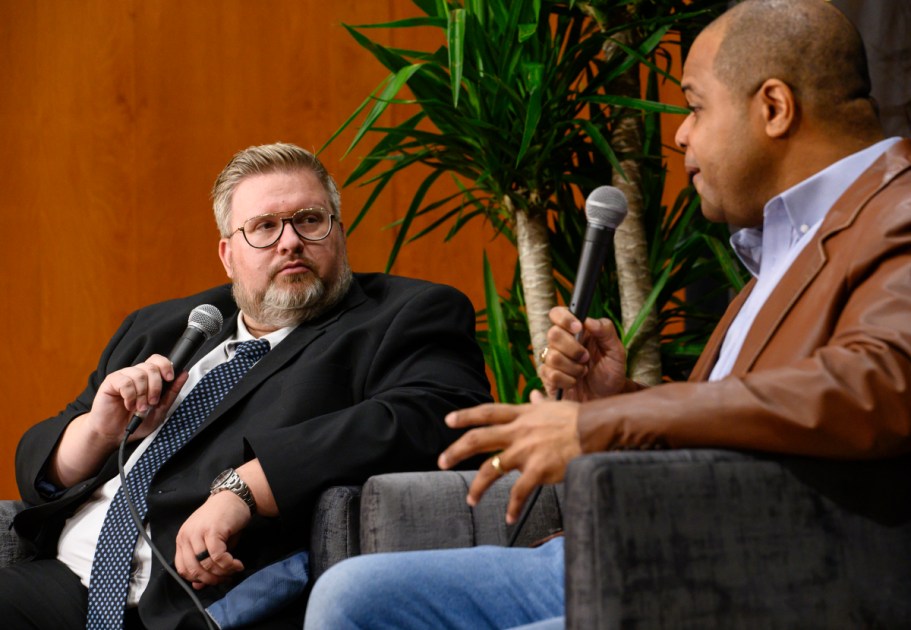
Hasty has become a familiar name statewide because he sparks conversations that stick, the kind that make people lean in and argue long after the room clears. People who know him say he listens as much as he speaks, and his friends describe him as “open-minded and respectful.” This piece looks at how his voice moves through local politics, why it lands with many voters, and what that means for public debate.
He did not stumble into attention by accident. Years of showing up at town halls, community events, and late-night radio spots built a reputation for turning routine exchanges into memorable moments. Those moments feel charged but not theatrical, often rooted in practical local concerns rather than abstract slogans.
Hasty’s conversational style is direct without being abrasive, and that distinction matters. He asks follow-up questions in ways that pull people out of talking points and into real issues, which is rare in modern political theater. The result is a conversation that sounds like a neighborly debate rather than a campaign ad.
Part of his appeal is a knack for framing complex policy in plain language. He breaks down budgets, zoning fights, and education disputes into everyday terms people can relate to without dumbing anything down. That clarity makes his arguments portable; supporters can repeat them at the kitchen table or at a cafe and expect to be understood.
At the same time, Hasty is careful to maintain a tone that keeps doors open. He invites pushback and sometimes changes his own position when convinced, which feeds the impression of authenticity. Voters notice when someone is willing to be persuaded, and that willingness helps him build broad coalitions on specific issues.
There is a media dimension, too. Local radio and podcasts love a guest who can hold attention for a full segment, and Hasty knows how to use those platforms without letting them define him. He treats media appearances as a chance to expand a civil conversation, not as an arena for showboating.
Not everyone buys the friendly image, of course. Critics argue that conversations can sound substantive while skirting the harder structural debates that need tackling. Hasty answers that debate by returning to tactics and outcomes, emphasizing what can change in the here and now over theoretical purity.
On the ground, his presence moves turnout and shapes local policy discussions. Neighborhood meetings see better attendance when he’s announced, and councils sometimes adopt proposals after a string of persuasive community conversations. That practical influence separates him from pundits who only move opinion online.
There are risks in being known for conversation as a primary method. Nuance can be mistaken for indecision, and talking a lot can tire even committed supporters. Hasty counters this by pairing talk with clear next steps, ensuring that conversation leads to action rather than just applause.
What remains clear is that his method is both political and human: listen, reframe, and propose achievable fixes. The impact is visible in living rooms and municipal chambers, and the style keeps drawing people who want debate without rancor. That combination explains why his name keeps coming up statewide in conversations that matter.