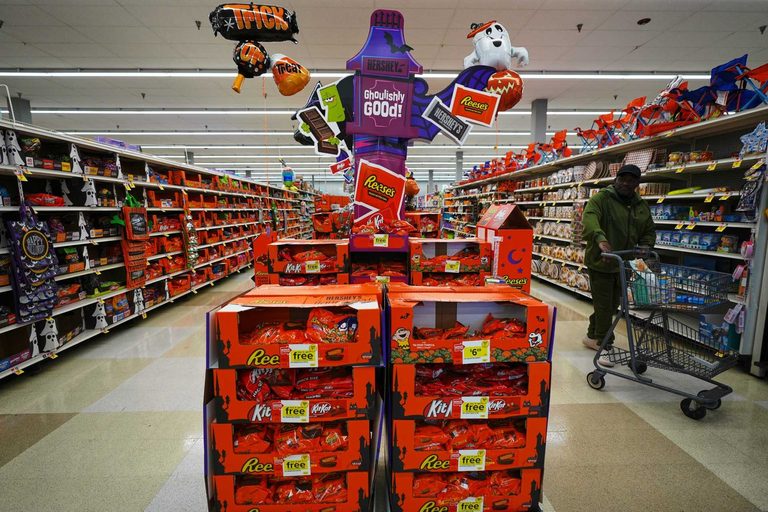
U.S. consumers are already feeling the pinch of higher living costs, and the impact is showing up in Halloween candy sales. NielsenIQ reports a 6.7% decline in candy sales for the week ending Oct. 17 compared with the same period last year. An earlier dip of 11.7% in mid‑September erased the preseason gains that the market enjoyed in the previous two years.
Price pressures drive softer demand
Chris Costagli, vice president and food thought leader at NielsenIQ, linked the slowdown to soaring gasoline prices and overall affordability concerns. At $4.29 per gallon, regular gasoline is up nearly 40% from a year ago, leaving families with less discretionary cash for holiday treats.
“Consumers are spending so much additional money on fuel, housing, clothing and food,” Costagli said. “Decisions about Halloween candy aren’t just about price increases on candy; they’re about not having the financial means to buy it this year.”
Small packs hold up, large bags tumble
While large and extra‑large candy bags saw the steepest declines, small bags of candy were the only category showing sales growth through mid‑October. The shift suggests shoppers are opting for modest portions that fit tighter budgets.
Chocolate prices outpacing inflation
U.S. candy prices have been rising faster than overall inflation for several years. Government data show candy and gum prices were up 44% over the past five years, compared with a 22.5% rise in all food purchased for home consumption.
The primary driver is cocoa. Global cocoa prices hit a record $10,710 per metric ton in January 2025 after poor weather in West Africa, which supplies about 70% of the world’s chocolate. Although cocoa prices fell to $3,241 per metric ton in March, they have been climbing again this spring due to disruptions in fertilizer supplies from the war in Iran and an anticipated El Niño‑driven dry season.
Discount options still pricey
This week discount grocer Aldi advertised a 135‑piece variety pack of Mars Inc. chocolate bars for $19.87 – roughly the same price consumers paid for a 250‑piece pack five years ago. The price gap underscores how much chocolate costs have risen.
Non‑chocolate candy sees modest price drop, but sales stay flat
Even though the average price of non‑chocolate Halloween candy (gummies, lollipops) fell about 3% to $6.08 per pound in the nine weeks ending Oct. 17, the lower price did not translate into higher sales.
Industry outlook remains cautiously optimistic
Sally Lyons Wyatt, global executive vice president and food industry adviser for market‑research firm Circana, noted that shoppers are making more intentional, frequent trips to the supermarket and may be waiting until closer to Halloween to purchase candy. “People are very intentional and thoughtful about what they want to consume,” she said. “I do believe we will still see softness overall with candy, but I don’t think Halloween is doomed.”
The National Confectioners Association, representing makers such as Mars, Smarties Candy Co. and Ferrara Candy Co., echoed a hopeful tone. “We are just now entering the peak period for Halloween and consumer enthusiasm remains incredibly strong,” the group said in a statement.
What families can do
For families looking to keep Halloween celebrations affordable, focusing on smaller candy packs, taking advantage of discount promotions, and planning purchases closer to the holiday can help stretch limited budgets while still providing treats for trick‑or‑treaters.
Original reporting: 40/29 / KHBS (NW Arkansas) — read the source article.