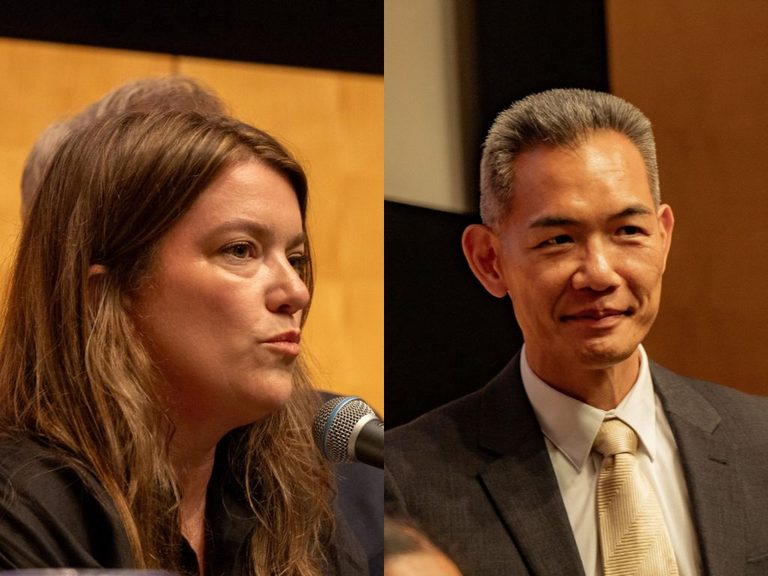
San Francisco voters completed the 2026 school‑board election on Thursday, confirming a decisive victory for the GrowSF‑backed slate. Financial analyst Tim Tung and parent‑activist Autumn Brown Garibay each won a seat, joining incumbent president Phil Kim, who was re‑elected in a landslide earlier in the week.
Funding advantage proved decisive
The three winners benefited from more than $400,000 in combined fundraising and independent expenditures. GrowSF contributed $242,000, while the candidates themselves raised the remainder, bringing the total to roughly 1.4 times the amount spent by the rival teachers‑union slate, which reported $283,000 in contributions and spending.
Union‑backed candidates occupied the No. 4, 5 and 6 slots on the ballot, supported by $210,000 from the teachers union and a labor political action committee. Despite a recent successful strike that secured fully funded health care by 2027 and wage increases of 5 % to 8.5 %, the union’s slate fell short of winning any of the top three positions.
Candidate backgrounds
Tim Tung entered the race in late July. He works as a financial analyst and is the brother of San Francisco Democratic Party chair Nancy Tung, giving him a recognizable political pedigree.
Autumn Brown Garibay is a mother of three public‑school children, a longtime PTA participant, and a senior customer‑success manager at Sprout Social, Inc. She described her victory as a call to serve the district’s families and educators.
Union reaction and broader implications
Ryan Hazelton, one of the union’s candidates, congratulated the winners on Instagram, noting that the work to support children, families, and educators continues. Virginia Cheung, the union’s closest runner‑up, missed a seat by more than 14,000 votes.
Incumbent Alida Fisher, who had been endorsed by the political arm of the SF Parents Coalition, failed to secure enough votes to remain on the board, consistently hovering around 7 % after the first vote drop.
Policy context
The newly elected commissioners will inherit a board that recently overhauled its school‑choice lottery system, moving toward neighborhood‑based assignments. Many parents have expressed dissatisfaction with the change and are expected to voice strong opinions as the board finalizes the policy in April.
In 2024, a San Francisco school‑board race was decided by a margin of just over 200 votes, underscoring how tightly contested these local elections can be. The 2026 results, however, reflect a clear financial advantage translating into electoral success.
Looking ahead
With the GrowSF‑backed trio now holding a majority on the board, the district’s direction on issues such as school‑choice, budgeting, and community engagement is likely to align with the moderate camp’s priorities. The board’s upcoming decisions will be closely watched by parents, educators, and local advocacy groups alike.
Original reporting: Mission Local — read the source article.