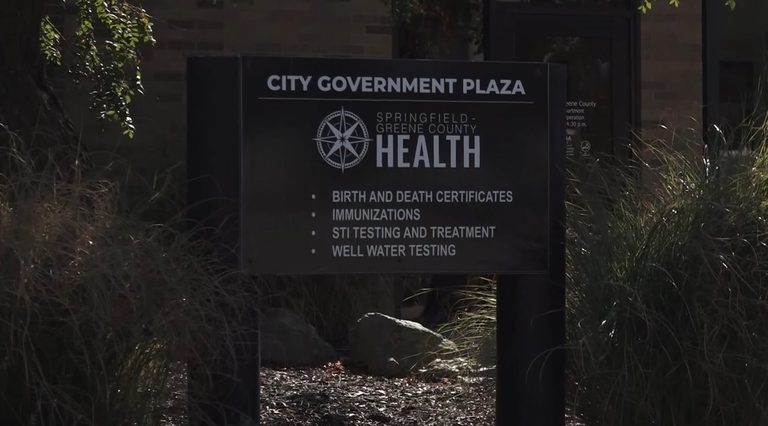
The Springfield‑Greene County Health Department issued a public‑health notice on Monday after officials identified suspected cases of Highly Pathogenic Avian Influenza (HPAI) in waterfowl located in the southeast portion of Greene County. The department said the findings follow four confirmed HPAI cases in waterfowl from neighboring Christian County.
What is HPAI and how does it spread?
HPAI is a severe form of bird flu that can affect wild birds, domestic poultry, and, in rare instances, humans and pets. The virus spreads through direct contact with infected birds, contact with their feces, or exposure to contaminated environments such as water or soil. The Missouri Department of Conservation, which oversees wildlife disease monitoring, confirmed it is aware of the suspected cases in Greene County.
Precautions for residents
Health officials are urging all Greene County residents to take immediate steps to reduce the risk of transmission:
- Avoid all contact with wild birds, especially those that appear sick or are found dead.
- If you step in bird feces, disinfect clothing before returning home. HPAI can survive on surfaces for up to two months, so washing hands after handling contaminated items is essential.
- Monitor any pets that spend time outdoors. Keep dogs and cats from interacting with wild birds or their droppings, and do not allow pets to eat dead birds or other wildlife.
- Should a pet come into contact with bird feces, clean its paws with soap and water and watch for signs of illness.
- Anyone who believes they have been exposed to infected birds in the past ten days should watch for flu‑like symptoms for a full ten‑day period.
What to do if you find a dead or sick bird
Residents who encounter a dead or dying wild bird should not handle the carcass. Instead, they can report the sighting to the Missouri Department of Conservation’s Wildlife Health Program by calling 573‑522‑0142 or submitting an online report. For safe disposal of dead waterfowl, the City of Springfield Citizen Resource Center offers pickup services; calls can be made to 417‑864‑1010. Those living outside city limits may also contact the same center for assistance.
Symptoms to watch for in humans
Common signs of HPAI infection in people include fever, cough, sore throat, muscle aches, and eye irritation. If symptoms develop after possible exposure, individuals should seek medical care promptly and, if possible, call their health‑care provider before visiting a clinic or emergency department. This allows providers to take appropriate precautions to protect other patients and staff.
Why the warning matters
While human cases of HPAI remain rare, the virus’s ability to survive for weeks on surfaces and its potential to affect pets underscores the importance of vigilance. The health department’s guidance aligns with best practices from the Centers for Disease Control and Prevention and the U.S. Department of Agriculture, both of which emphasize minimizing contact with wild birds during outbreaks.
Community response
Local officials have praised the swift communication from the health department and the Missouri Department of Conservation. “We appreciate the clear, actionable steps provided to our neighbors,” said Greene County Commissioner Jane Doe, a longtime resident and advocate for public‑health preparedness. “By following these recommendations, we can protect our families, our pets, and our community’s well‑being.”
Residents with questions or concerns can contact the Springfield‑Greene County Health Department at (555) 123‑4567 or visit the department’s website for additional resources.
Original reporting: KY3 Springfield (local) — read the source article.