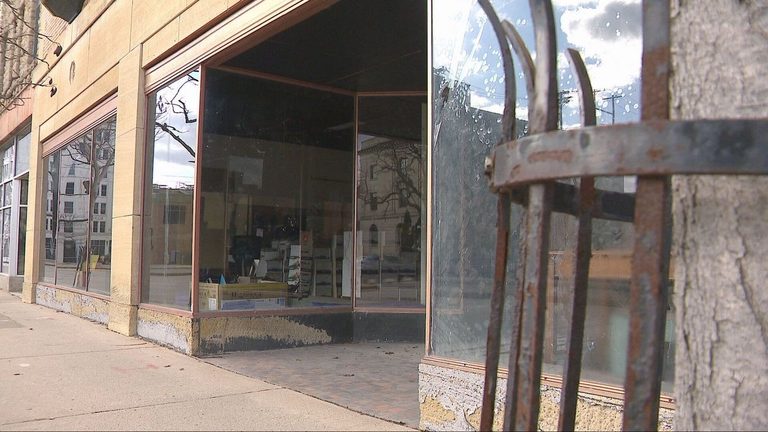
Green Bay leaders are taking a cautious approach to a new ordinance aimed at curbing the growing problem of vacant buildings in the city. At the most recent meeting of the Protection and Policy Committee, members voted to table the proposal until the committee reconvenes in June.
Why the ordinance matters
The draft ordinance would allow the city to issue fines to owners who leave their buildings empty for extended periods. City officials say vacant structures can become safety hazards, depress surrounding property values, and hinder neighborhood revitalization efforts.
Committee seeks a balanced solution
Committee members emphasized the need for a rule that protects the public interest without unduly burdening property owners. “We want to draft an ordinance that is fair to both property owners and the public,” one member said.
Alderperson Jim Hutchison voiced support for the decision to revisit the proposal, describing it as “a smart way to go about it.” He added, “I don’t want to see this die. I want to see this made better. There’s been a lot of good communications with a lot of good recommendations. I think they can be combined.”
Concerns from owners and developers
Real‑estate groups and individual property owners have raised objections, arguing that the time limits for avoiding fines are too short and could penalize owners who are actively working on redevelopment plans. These concerns contributed to the City Council sending the ordinance back to the committee last month for further review.
Next steps
The committee plans to use the additional months to gather more input, refine the fine schedule, and consider exemptions for owners who can demonstrate active efforts to rehabilitate a property. The revised ordinance will be presented to the full City Council for a vote after the June meeting.
Residents who wish to comment on the proposal are encouraged to attend the upcoming committee session or submit written feedback to the city’s planning department.
Original reporting: FOX 11 WLUK Green Bay (local) — read the source article.