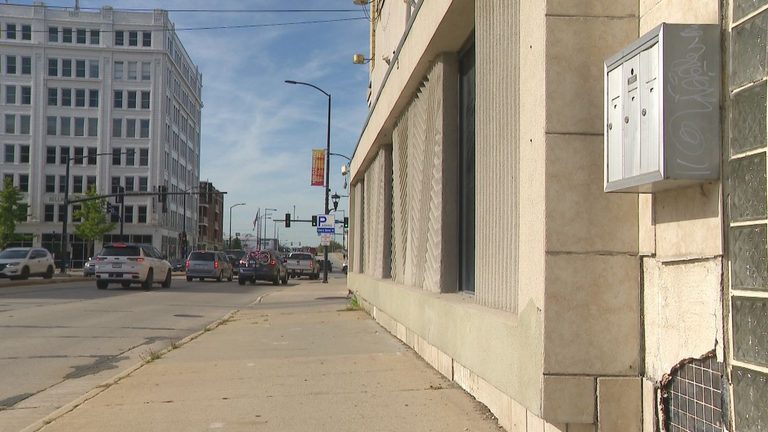
Green Bay’s city council is set to debate a proposed ordinance Tuesday that would create a city‑run registry for vacant commercial buildings. Alderman Joey Prestley, who championed the measure, says the growing number of empty structures—such as a former paintball and laser‑tag venue at Irwin and Reber Streets—has become a blight on the neighborhood.
How the registry would work
Under the proposal, owners would have 60 days after a building becomes vacant to register the property with the city. The first year of registration would be free, but renewal fees would increase each year: $500 for the second year, rising to $4,000 by the fourth year and remaining at that level thereafter. Prestley describes the fee schedule as a “little nudge” to encourage owners to either sell, lease or redevelop their properties rather than let them sit idle.
Exemptions and enforcement
The ordinance includes several exemptions. Buildings that have been actively marketed for sale or lease within the past 12 months, are under construction or rehabilitation, require casualty repairs, have owners on active military deployment, or are involved in legal proceedings would still need to be registered but would be exempt from the escalating fees.
Economic Development Director Cheryl Renier‑Wigg notes that enforcement would likely be complaint‑driven, as the city lacks sufficient staff to proactively identify every vacant building. Violations could result in daily fines ranging from $250 to $5,000, according to the draft ordinance.
Opposition and support
Jennifer Sunstrom, director of public relations for the Relators Association of Northeast Wisconsin, warned that the ordinance could “essentially make it illegal to own vacant property.” She argues that existing building codes, fire‑inspection requirements and nuisance ordinances already address problem properties.
Alderman Bill Morgan echoed that sentiment, stating, “We don’t want land that is going to draw in rodents or something, but I think these people should be able to take care of it themselves as long as they pass our current ordinances.”
Regional context
City officials point out that at least five other Wisconsin municipalities have adopted similar vacant‑property registries, ranging from larger cities to smaller towns. Those precedents suggest the approach is gaining traction as a tool for community revitalization.
The council’s decision will be announced on air and on the station’s website after the meeting. Residents who wish to comment on the ordinance are encouraged to attend the council session or submit feedback through the city’s online portal.
Original reporting: FOX 11 WLUK Green Bay (local) — read the source article.