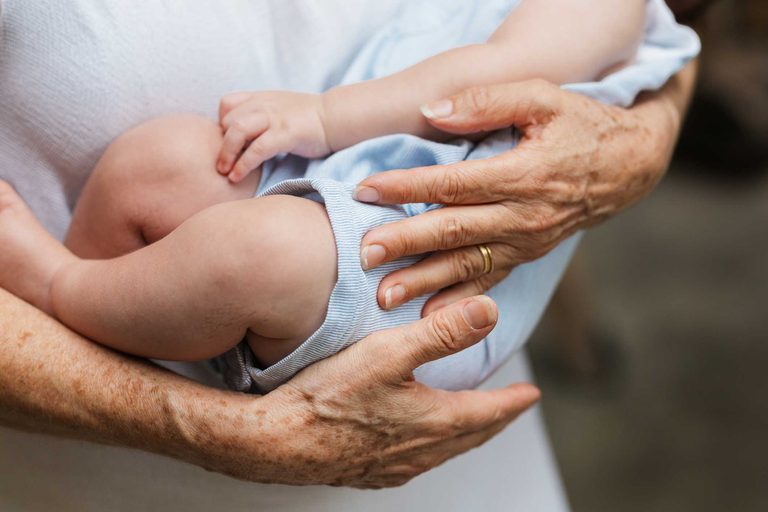
When a family prepares to welcome a new baby, most of the focus is on the mother’s prenatal care. Doctors now stress that grandparents and other close relatives also have a vital role in safeguarding the infant’s health by being up to date on key vaccinations.
Why Grandparents Matter
Newborns rely heavily on antibodies passed from their mother and on the immunity of those around them during the first six months of life. “For that zero‑to‑six‑month period they are really vulnerable and at risk, and we have to protect them,” said Dr. Dhaval Desai, a dual‑board‑certified internal medicine and pediatrics physician in Atlanta.
Vaccines to Consider
Tdap (tetanus, diphtheria, pertussis) – Pertussis, or whooping cough, can cause severe coughing fits, breathing difficulties, and even death in infants. A single dose of Tdap, with a booster every ten years, is a non‑negotiable protection for anyone who will be near a newborn.
Seasonal flu – While flu activity remains low nationally, early‑season spikes are occurring. The flu shot protects adults for about six months, so receiving it in September or early October offers coverage throughout the typical winter flu season.
RSV (respiratory syncytial virus) – RSV can lead to serious respiratory illness in infants. Adults 50 and older with certain health conditions, and all adults 75 and older, are advised to receive the RSV vaccine.
COVID‑19 – A single updated dose is recommended for all adults. Vaccination reduces the risk of severe disease and helps prevent transmission to vulnerable newborns.
MMR (measles, mumps, rubella) – The United States is experiencing its worst measles outbreak in decades. Two doses of MMR provide about 97% protection. Those born before 1957 are generally considered immune; anyone born after 1957 without documented doses should receive at least one dose.
How to Get Started
Grandparents should schedule a visit with their healthcare provider to review their immunization records. Dr. Michael Warren of the March of Dimes emphasizes, “Being up to date on all vaccines is beneficial for grandparents to stay healthy and to protect the new grandchild during those early months when the baby’s immune system is still developing.”
Doctors also note that timing matters. Planning ahead—getting vaccinated before the baby’s expected arrival—ensures maximum protection when the infant begins to interact with family members.
Additional Guidance
Some experts suggest checking immunity levels for measles with a blood test, though it is not routinely required. For any vaccine concerns, especially for those with underlying health conditions, a conversation with a trusted medical professional is essential.
By taking these preventive steps, grandparents can enjoy precious time with their new family members while contributing to a safer, healthier start for the youngest generation.
Original reporting: WESH Orlando — read the source article.