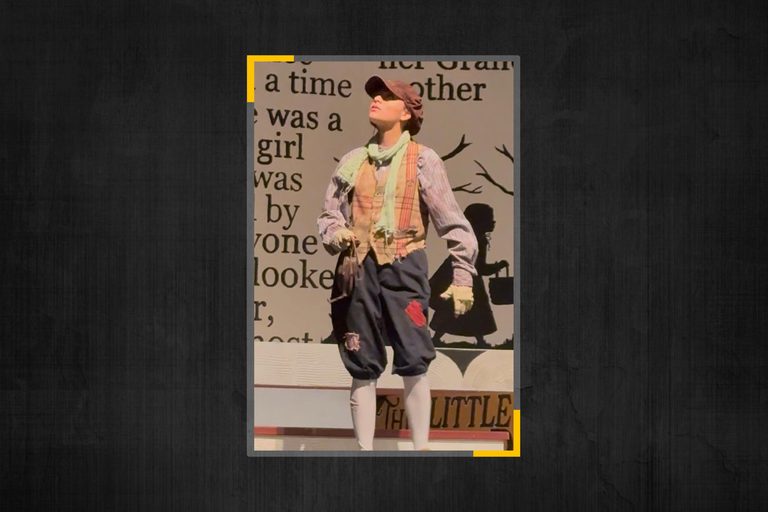
Grand Prairie senior Ana Mota, 17, is suing Grand Prairie Independent School District after the district barred her from playing Seymour, the male lead in the high‑school production of *Little Shop of Horrors*. Mota says the decision was made solely because she is female, violating federal Title IX protections that prohibit sex‑based exclusion from educational programs.
Background and the law
District officials said the action was required by Senate Bill 12, a state law that bans diversity, equity and inclusion (DEI) practices, instruction on sexual orientation or gender identity, and LGBTQ+ student clubs in Texas public schools. The law, passed by Texas Republicans last year, has created confusion for school administrators about which activities may be deemed violations.
According to the lawsuit, Mota auditioned for the role of Seymour and was selected by theater faculty as the best fit. When the district learned the character is male, administrators notified the faculty a week into rehearsals that a female student could not portray the role. They offered Mota a different part that she would have had to share with another student and for which she had not auditioned. Mota declined the reassignment, and the production was subsequently canceled.
Legal claims
The complaint argues that SB 12 does not prohibit a student from playing a fictional character of the opposite sex, and that the district’s decision amounts to a sex‑based personnel action prohibited by Title IX. The suit also alleges that the district ignored repeated requests from Mota’s parents for clarification on which provisions of SB 12 were at issue.
“Nancy Jimenez‑Mota and Rafael Mota fully supported Ana’s participation as Seymour,” the filing states. “District administrators told Ana and her mother directly that she had to be removed because she is female and replaced by a male student. That is a sex‑based personnel decision — an exclusion of a person from an educational program because of her sex — not a legitimate content or curricular judgment.”
District response and next steps
Grand Prairie officials declined to comment on the lawsuit. The musical was scheduled for Dec. 10, but the district has moved forward with a production of *Frozen* instead.
The lawsuit asks a federal judge to enjoin the district from discriminating against Mota and to order the restoration of the original production. The case highlights the tension between state‑level DEI restrictions and federal civil‑rights protections, a conflict that is playing out in school districts across Texas.
Implications for Texas schools
Legal experts note that the outcome could set a precedent for how schools interpret SB 12 in relation to Title IX. If the court finds the district’s actions unlawful, other districts may need to reassess policies that limit student participation based on sex, gender identity, or perceived DEI concerns.
For parents and students, the case underscores the importance of understanding both state statutes and federal rights when navigating extracurricular activities. The lawsuit also serves as a reminder that school districts must provide clear, timely explanations when policy decisions affect student opportunities.
Original reporting: Texas Tribune (HLL/CB) — read the source article.