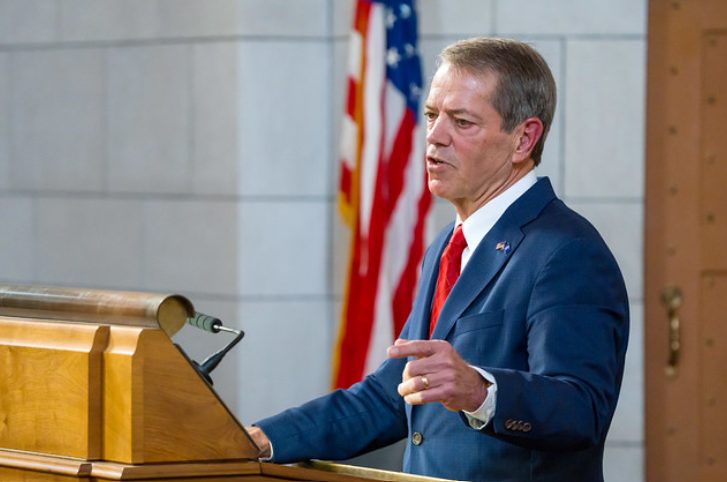
Lincoln, Neb. – Facing reports of fuel shortages across the state, Governor Jim Pillen took swift action on Oct. 19 by signing an executive order that builds on a federal waiver already easing hours‑of‑service requirements for fuel‑truck drivers. The order also allows fuel‑transport vehicles to exceed weight limits by up to 10%, a measure designed to move more product on each trip and reduce bottlenecks on Nebraska’s highways.
Why the order matters for Nebraskans
“A combination of factors, including global supply disruptions and the incredibly short and busy harvest season, has boosted demand across the board,” Governor Pillen said at the signing. “This order will help ensure that Nebraska farmers, businesses and families have access to the fuel they need.”
The governor’s language underscores the direct impact on the state’s agricultural backbone. With the harvest season already underway, farm equipment, grain trucks and processing plants rely on a steady flow of diesel and gasoline. Any interruption can cost producers dearly and ripple through local economies.
How the order works
The executive order leverages a federal waiver that already relaxes the strict hours‑of‑service rules that limit how long a driver may be on the road before taking mandatory rest. By extending those limits, drivers can cover longer distances without stopping, cutting down on idle time and keeping fuel moving toward market.
In addition, the order permits fuel‑transport trucks to exceed the standard weight limit by up to 10 percent. This change means a single truck can carry more gallons per load, reducing the number of trips required to meet demand. The combined effect is a faster, more efficient supply chain during a period of heightened need.
Effective dates and next steps
The order takes effect immediately and remains in force through Nov. 18, giving the state a critical window to address the current shortage. State officials will monitor fuel availability and work with industry partners to assess whether the temporary measures are sufficient or if further action is required.
Governor Pillen’s administration has emphasized that the order is a targeted, temporary response—not a permanent deregulation of safety standards. Once the shortage eases, the state will revert to the standard weight and driver‑hour limits that protect both drivers and the public.
Local response
Farmers’ groups and business associations have welcomed the move, noting that any delay in fuel delivery can jeopardize planting schedules and disrupt supply chains. “We appreciate the governor’s quick action,” said a spokesperson for the Nebraska Farm Bureau. “Keeping fuel flowing is essential for our growers and the broader community.”
Critics of deregulation often argue that relaxing weight limits could increase wear on roads or compromise safety. The governor’s order, however, includes provisions for continued oversight by the Nebraska Department of Transportation, ensuring that any excess weight remains within safe operating parameters.
Looking ahead
While the executive order addresses the immediate shortage, the Pillen administration has indicated a broader focus on energy resilience. In recent months, the governor has advocated for expanding domestic fuel production and improving infrastructure to reduce Nebraska’s reliance on volatile global markets.
By taking decisive action now, Governor Pillen aims to protect the state’s agricultural heritage, support local businesses, and safeguard families from the inconvenience and economic strain of fuel scarcity.
Original reporting: KLKN-TV – News, Weather and Sports for Lincoln, Nebraska — read the source article.