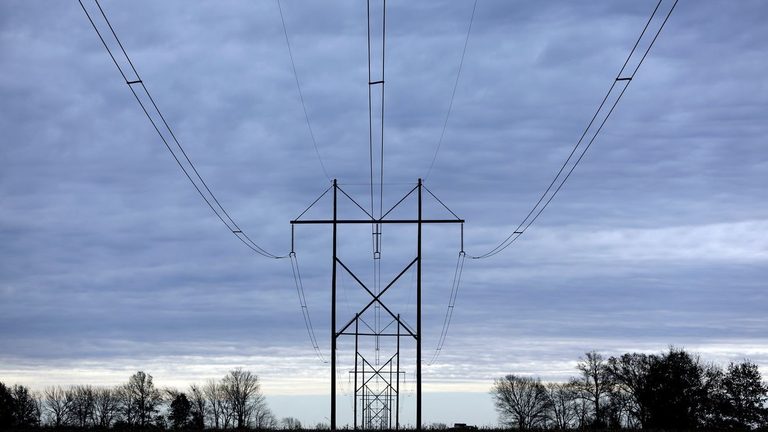
New York State faces a looming reliability challenge for its electricity grid, with the New York Independent System Operator warning that the system could experience trouble as early as 2032 and that New York City’s grid may feel strain a year sooner. The warning cites three core pressures: surging electricity demand, growing uncertainty about power imports from neighboring regions, and a sharp decline in in‑state generation capacity.
Why the grid is under stress
Demand is climbing fast, driven in part by new high‑powered facilities such as Micron’s semiconductor plant in upstate New York. At the same time, the grid operator notes that assistance from surrounding states may become less reliable or more limited, leaving New York to shoulder a larger share of its own power needs. Compounding the issue, the state is projected to lose a significant amount of its existing in‑state generation, further tightening the supply‑demand balance.
Potential fallout of a widespread outage
A major grid failure would cripple everyday life. Homes and businesses would lose power for lights, refrigeration, and phone charging. Schools and remote‑work setups would be disrupted, hospitals would have to rely on backup generators, and communications—including Wi‑Fi and cellular service—could be knocked out, making it difficult for families to stay in touch or use GPS navigation.
Governor Hochul’s nuclear solution
In response, Governor Kathy Hochul announced the completion of the “Master Plan for Responsible Advanced Nuclear Development,” a 30‑point statewide roadmap designed to add 5 gigawatts of new advanced nuclear capacity. “Nuclear, I believe, is the most sustainable, the most reliable, and ultimately the second most affordable way we can power our state,” Hochul said. She emphasized that the plan will give New Yorkers and businesses the certainty that lights will stay on, even as external conditions shift.
Jobs and clean energy benefits
The governor highlighted that the nuclear expansion will create thousands of jobs for New Yorkers while transitioning the state toward clean, renewable energy sources. Advanced nuclear technology promises low‑carbon electricity, aligning with New York’s broader climate goals while bolstering grid resilience.
What’s next for the plan
The Master Plan outlines steps for site selection, regulatory coordination, workforce training, and partnerships with private developers. State agencies will work closely with the Independent System Operator to integrate new nuclear output into the existing grid, ensuring that the additional capacity can be dispatched when demand peaks.
Local implications
For communities across the Empire State, the plan offers a proactive approach to avoid blackouts that could disrupt schools, small businesses, and essential services. Residents can expect a more stable power supply, which is especially critical for rural areas that rely heavily on the grid for heating and agricultural operations.
Critics and next steps
Some environmental groups have raised concerns about nuclear waste and the cost of new plant construction. However, the administration points to modern reactor designs that reduce waste and improve safety, arguing that the long‑term benefits outweigh the upfront challenges. The state will hold public hearings later this year to gather input from stakeholders before moving forward with site approvals.
Governor Hochul’s nuclear roadmap represents a decisive effort to protect New York’s power infrastructure, safeguard jobs, and advance clean energy goals as the state confronts rising demand and uncertain regional support.
Original reporting: CNY Central WSTM (Sinclair) – local — read the source article.