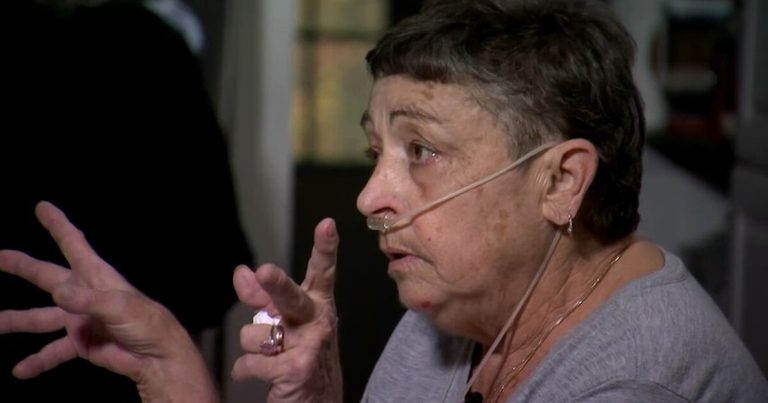
Goodlettsville – Robin Hampton, 78, and her husband, 81, are confronting a heartbreaking dilemma. Both seniors living with long COVID, Robin also suffers from COPD that leaves her lungs operating at only 35% capacity. The couple relies on continuous home oxygen, a necessity that has pushed their monthly electric bill past $500.
“We don’t eat, or we don’t get medicine. We choose that every month which one we’re not going to do,” Robin said, describing the impossible choice forced by the soaring utility costs. The couple currently owes Nashville Electric Service (NES) $1,493, a balance they fear they cannot repay without sacrificing essential needs.
Why the bills are so high
Running a home oxygen concentrator around the clock consumes a significant amount of electricity. A 2018 study in the Journal of the American Medical Association estimated that a typical machine adds roughly $285 per year to a household’s electric bill in Tennessee. Rates vary by state, ranging from $252 in Louisiana to $853 in Hawaii, but even the Tennessee figure represents a substantial burden for seniors on fixed incomes.
Robin, who receives disability benefits, explained that earning a little more could jeopardize those benefits, leaving her with few options to catch up on the debt. “I’m going to be dead without it. I have no choice,” she said.
Available assistance
The Hamptons have already tapped into the Low Income Home Energy Assistance Program (LIHEAP), which provides temporary relief for low‑income households. In addition, both NES and the Tennessee Valley Authority (TVA) offer free energy‑efficiency upgrades that could lower long‑term costs, though NES has not responded to specific questions about the Hamptons’ account.
Local advocacy groups, such as the Metro Action Commission, have also offered limited help. “I feel bad because other people need it too. I don’t want to take all the money,” Robin said, expressing concern for fellow residents who are also struggling.
Calls for broader solutions
Experts and advocates argue that the issue extends beyond individual assistance. Until federal programs, equipment manufacturers, or health insurers like Medicare address the hidden cost of operating medical devices at home, many families will continue to face similar hardships.
“You tell me how I’m supposed to pay that bill and get caught up and not do it again next month,” Robin asked, highlighting the need for systemic change.
How readers can help
If you know of additional electricity rebates, vouchers, or assistance programs that could aid the Hamptons, please email the reporter at the address provided in the original broadcast.
This story was originally reported on‑air and converted to text with AI assistance. Our editorial team has verified the facts for fairness and accuracy.
Original reporting: NewsChannel 5 WTVF (Scripps) – local — read the source article.