Glass City Roller Derby was founded in 2007 by a handful of Toledo women who had to drive to Detroit and Cleveland just to skate competitively. Within a year, they had a home league, a name, and a roster. Seventeen years later, the league still draws crowds to Skate Away on Alexis Road, a no-frills skating rink in the city’s northwest corner that doubles as one of the more genuinely rowdy sports venues in town.
Bouts typically run on Saturday evenings, with doors opening around six and the first whistle usually at seven. The rink seats several hundred, and the flat-track setup means no bad sightlines — the action is close, loud, and lateral. Blockers grind hip-to-hip while jammers look for the lane. If someone doesn’t understand the sport walking in, they usually do by the end of the first jam.
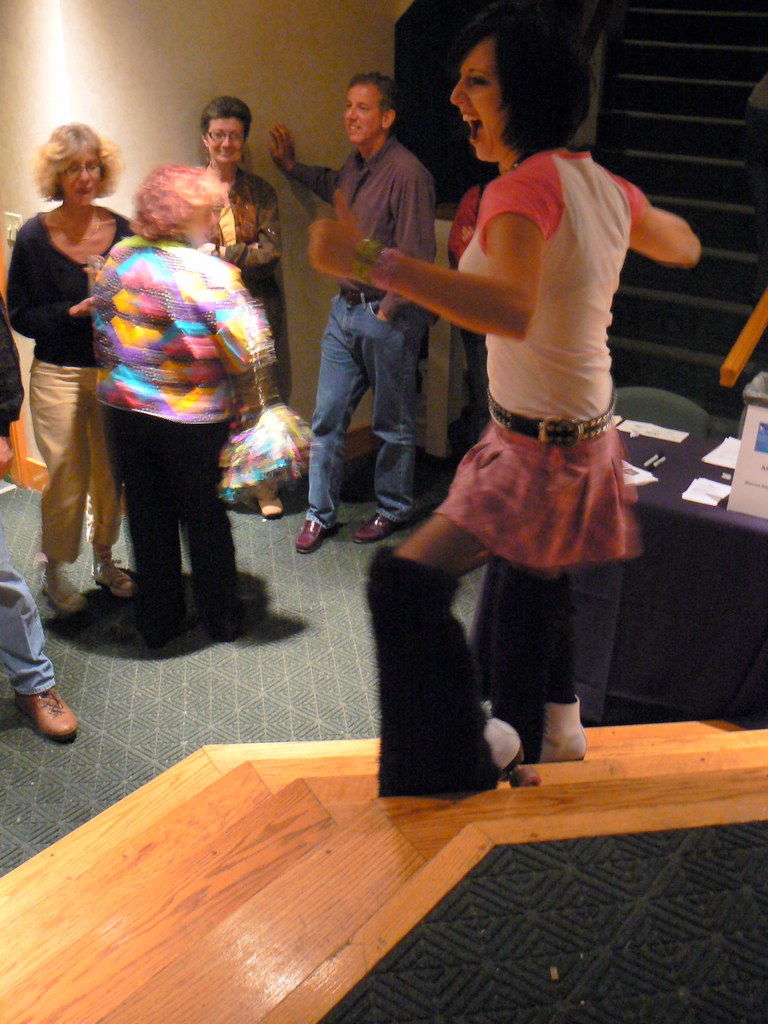
Tickets run around ten to fifteen dollars at the door, less for kids, and the proceeds stay local. There’s a concession stand, there’s beer, and there’s a DJ between periods. The crowd is mixed — families in the lower rows, longtime regulars who know the skaters by name, college students who stumbled in once and kept coming back. The energy is not manufactured. When a jammer breaks through a wall and laps the pack, people stand up.
The skaters themselves are worth paying attention to. Glass City competes in the Women’s Flat Track Derby Association (WFTDA) and has traveled to regional tournaments. The athleticism is legitimate — these are trained athletes, not costumed performers — but the culture of the league still runs on volunteer energy and community buy-in. Skaters run their own bout production, manage their own social media, and handle the logistics of a full competitive season alongside day jobs and families.
Derby names are still a tradition. The roster at any given bout might include players with handles that are punny, menacing, or both, stenciled onto the backs of jerseys in team colors. Glass City’s home team splits into squads with their own identities, so intraleague bouts have a local rivalry flavor that’s different from the traveling team matchups against outside opponents.
The best time to go is an intraleague double-header or a home bout against a visiting WFTDA team — those tend to draw the most energy in the building. The schedule is posted on the league’s website and social pages, usually announced several weeks out. Parking is easy and free. The rink is not glamorous, but that’s part of what makes it feel real. The lights are bright, the floor is smooth, and the contact is legal.
Toledo has a lot of ways to spend a Saturday night. This one leaves you a little hoarse.