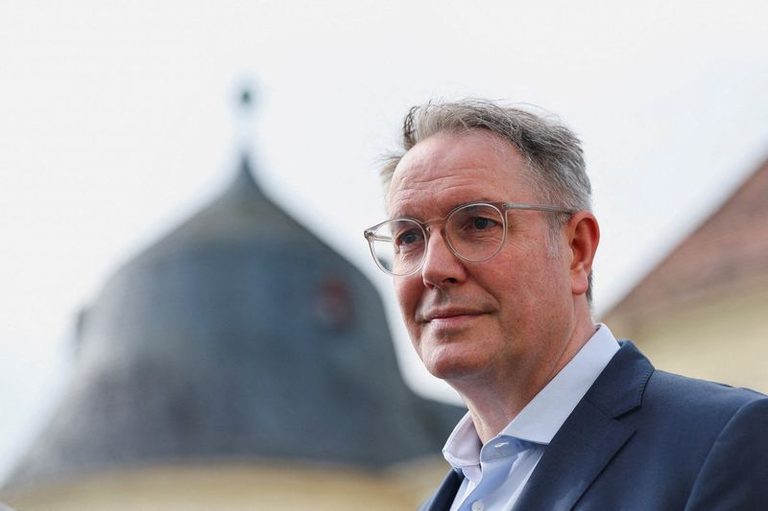
Berlin – The Social Democratic Party (SPD) confirmed on Monday that Alexander Schweitzer will become Germany’s next federal labour minister. Schweitzer, who currently heads the SPD parliamentary group in the western state of Rhineland‑Palatinate, was named by party officials to replace Baerbel Bas.
Background on the appointment
Baerbel Bas, who has served as labour minister since the formation of the current coalition government, announced her resignation earlier on Monday. She cited two personal reasons for stepping down: the recent death of her stepdaughter and a surge in public attacks directed at her family.
In a brief statement, Bas said she needed to focus on mourning her loss and protecting her family from further harassment. The SPD spokesperson who relayed the news emphasized that the party respects Bas’s decision and wishes her and her family comfort during this difficult time.
Who is Alexander Schweitzer?
Schweitzer is a seasoned SPD politician with extensive experience in state‑level legislation. As the head of the party’s Rhineland‑Palatinate parliamentary group, he has been involved in shaping labour and social policy at the regional level. Colleagues describe him as a pragmatic negotiator who values the party’s traditional commitment to workers’ rights and social security.
While Schweitzer has not yet outlined a detailed agenda for his new role, he is expected to continue the SPD’s focus on strengthening employment opportunities, protecting collective bargaining rights, and ensuring fair wages across Germany.
Implications for German labour policy
The transition comes at a time when Germany faces several labour‑market challenges, including a shortage of skilled workers in key industries and ongoing debates over minimum‑wage adjustments. Analysts suggest that Schweitzer’s regional experience may bring fresh perspectives to federal policy, particularly in aligning state‑level initiatives with national goals.
Industry groups have expressed cautious optimism, noting that continuity in the ministry should help maintain stability for businesses while still advancing worker protections. Trade unions, traditionally strong supporters of the SPD, have welcomed the appointment, emphasizing the need for a minister who understands both the concerns of workers and the realities of a competitive economy.
Next steps
Schweitzer is slated to assume office within the next few weeks, pending formal approval by the federal cabinet. He will inherit ongoing negotiations with employer associations and labor unions, as well as a portfolio that includes overseeing employment services, vocational training, and workplace safety regulations.
The SPD has indicated that the party will support Schweitzer’s efforts to balance economic growth with social justice, a core tenet of the party’s platform. Observers will watch closely how his leadership influences upcoming labour reforms and Germany’s broader economic strategy.
Original reporting: Appleton, WI News Feed (HLL/CB) — read the source article.