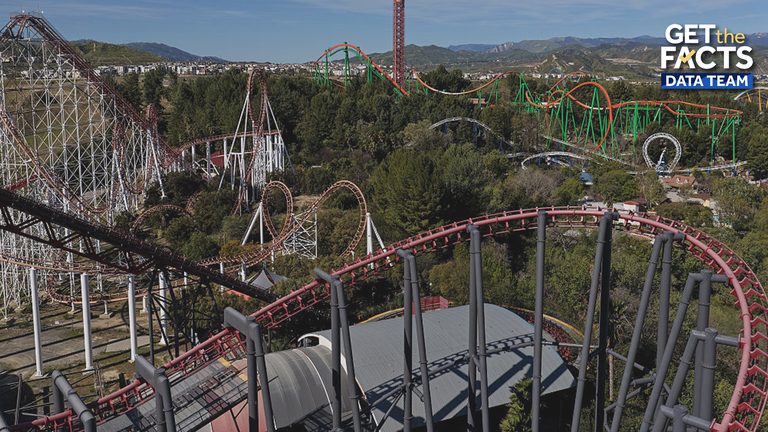
When a 42‑year‑old man died on a Six Flags Over Georgia roller coaster on Monday, the tragedy reverberated far beyond Cobb County. Six Flags temporarily shut nine rides at six parks while officials investigated the incident. The loss underscores a broader conversation about amusement‑park safety across the United States.
National injury rates remain low
According to the National Safety Council’s 2024 amusement‑ride safety report for the International Association of Amusement Parks and Attractions (IAAPA), an estimated 118 serious injuries occurred at North American parks in 2024. That figure represents about 8% of all logged injuries, the same share reported for 2023. The Council defines a “serious” injury as one that requires hospitalization for more than 24 hours or results in death.
The Council’s estimates are based on surveys sent to more than 400 amusement facilities in the United States and Canada, with 227 facilities responding for the latest year. From those responses, the chance of being seriously injured on a fixed‑site ride is roughly 1 in 15.5 million rides taken.
Roller‑coaster specific data
When the focus narrows to roller coasters, the 2024 rate was 1.27 injuries per million rides, up from 0.88 per million rides in 2023. While the increase is noted, the overall likelihood of a serious injury remains minuscule.
Importantly, the report found that about 60% of ride injuries are attributed to guest‑related factors—such as ignoring posted safety rules or riding with a medical condition that makes the experience risky. Technical or operational issues accounted for 15% and 9% of injuries, respectively.
Local implications and responsibility
The Georgia incident arrives just weeks after a lawsuit was filed against Six Flags, alleging that more than 100 riders suffered brain injuries on the X2 coaster. While litigation can draw attention, the data suggest that the majority of incidents are preventable when guests follow safety guidelines.
Park operators, including Six Flags, have a duty to maintain equipment and enforce rules, but families and individual riders also bear responsibility. Simple actions—securing restraints, heeding height and health warnings, and staying seated during the ride—greatly reduce risk.
What parents and families can do
For parents who value the safety of their children, it is prudent to review each park’s safety notices before boarding. If a rider has a heart condition, back problems, or any medical concern, they should consult a physician and heed any park advisories. Encouraging children to listen to ride operators and to keep hands and feet inside the vehicle is a straightforward way to protect them.
Community leaders and local officials can also play a role by supporting transparent reporting of ride incidents and ensuring that parks comply with state safety inspections. Such oversight aligns with the broader goal of protecting families while preserving the enjoyment that amusement parks provide.
Looking ahead
While any loss of life is tragic, the statistics show that serious injuries on amusement rides are exceedingly rare. Continued vigilance—both from park operators and from guests—will help keep the numbers low and ensure that families can enjoy these attractions with confidence.
Original reporting: 40/29 / KHBS (NW Arkansas) — read the source article.