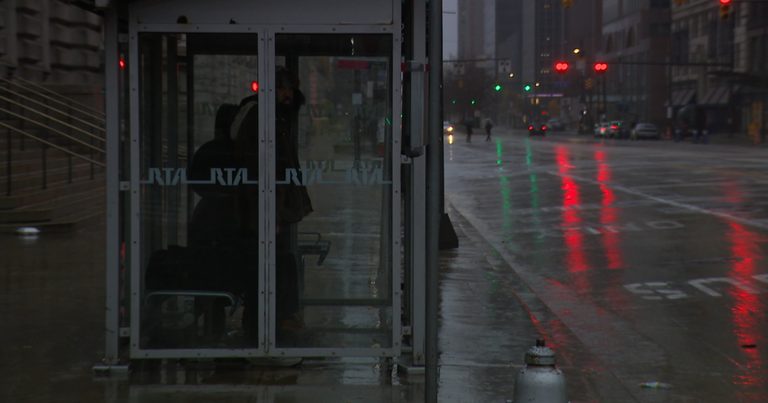
The Greater Cleveland Regional Transit Authority (GCRTA) announced a revision to its code of conduct that now bars riders from traveling without a specific destination. The change, which took effect after a board meeting earlier this month, is intended to address what the agency describes as “inappropriate and unsafe conduct,” including loitering and “non‑destination riding.”
According to News5 Cleveland, GCRTA provided more than 24 million rides in 2025, but officials warned that ridership could decline if the new rule discourages passengers who lack a fixed destination. The agency’s public information officer, Robert Fleig, said the goal is to promote safety without criminalizing patrons. “Since the adoption of the updated code of conduct, GCRTA has taken steps to publicize the new code of conduct, including placement of new signage at facilities and on vehicles, printed information, audio announcements, and outreach to local organizations and advocates,” Fleig explained.
Enforcement will rely on a reporting system, impartial investigations, fair due process, proportionate penalties, and consistent oversight. If a rider is suspected of traveling without a destination, staff will simply ask the individual to disembark, the report noted.
The policy has drawn criticism from homeless service advocates. Chris Knestrick, executive director of the Northeast Ohio Coalition for the Homeless, told News5 Cleveland that the rule “targets the homeless population” and could force people to exit buses at unfamiliar stops, jeopardizing their safety. Knestrick voiced his concerns at the November 17 board meeting, stating, “Policies like the new code of conduct actually make it much harder for people to get housed. No one’s saying it’s your (GCRTA) full responsibility… We’re asking you to not make it worse, and that’s what that policy is doing.”
One rider, speaking on Thanksgiving, expressed opposition to the rule, calling it “inhumane” and questioning how the agency would respond if riders were left without shelter. “There’s no reason why the RTA should feel any obligations, that people that are homeless or shelterless can’t use the bus pass as refuge from these elements,” the rider said.
GCRTA officials countered that the agency is not responsible for solving homelessness, emphasizing that the transit system should not become a “mobile home for folks that don’t have resources.” A board member echoed this sentiment, noting, “It is not the RTA’s responsibility to figure out how to solve the problem of the unhoused. We have to figure out a better solution for that, but the solution is not to maintain RTA as a mobile home for folks that don’t have resources.”
While the updated code is already in effect, Knestrick indicated that his coalition will continue discussions with GCRTA to assess the policy’s impact on the homeless community. He added, “We should make sure that we are supporting everyone in our community when we’re asking everyone to chip in and support transit. People that have a bus pass and have paid to ride the bus should be able to ride it whether you’re housed or unhoused. Sitting there is a right. If people can ride the bus, they should be able to.”
What’s next: GCRTA will monitor compliance through its reporting channels and may adjust enforcement procedures based on feedback from riders and community groups. The agency plans to hold additional public outreach sessions in the coming weeks to explain the new policy and address concerns.
Sources: news5cleveland.com