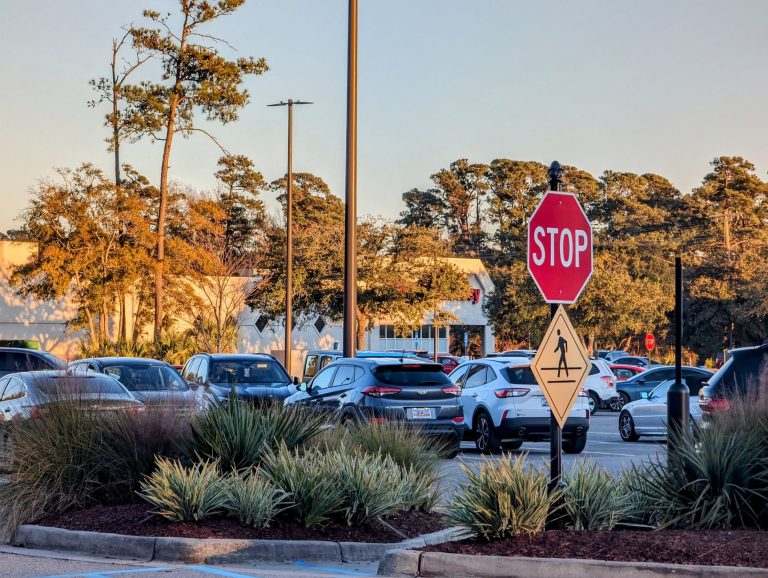
On a Tuesday evening in late October, the parking lot at the Granville Arts Center complex was nearly empty except for the cluster of cars bunched near the black box entrance. Inside, Garland Civic Theatre was running a final dress rehearsal for a production of The Addams Family musical. A woman in a full Morticia wig was doing vocal warmups in the lobby. Someone’s kid was asleep in a folding chair. The smell of hairspray and coffee was everywhere.
That’s pretty much how it goes at GCT. Founded in 1958, the company is one of the longest-running community theaters in North Texas, and it operates with the low-budget intensity of a place that genuinely believes in what it’s doing. The core audience has regulars who have been coming for decades. The cast is almost always a mix of longtime Garland residents, theater students from nearby colleges, and people who just moved to the area and found their people.
The company performs primarily in two spaces on the Granville Arts Center campus near downtown Garland: the main Plaza Theatre, a 350-seat proscenium house, and the smaller black box space that gets used for more experimental or stripped-down productions. The Plaza is where the bigger musicals land — the ones with full sets, orchestra pit, the works. The black box is where things get interesting. Last season’s run of a Tennessee Williams one-act in that smaller room cost $18 and ran about 70 minutes. It was completely sold out.
Ticket prices are genuinely reasonable by any standard — most main stage productions run $15 to $25 depending on the night and seating, and they offer student and senior discounts. Opening nights sometimes feature a brief talkback with the cast. If you’ve never gone, the main stage musicals are the easiest entry point; GCT tends to attract strong local talent for those, and the production values can honestly surprise you.
The season typically runs September through May, with four to six productions spread across the two venues. The fall show usually has the highest ticket demand — holiday adjacency brings people out — so buying early matters. The spring productions sometimes run more risk, programming wise, which is often when they’re most interesting.
What makes GCT worth paying attention to isn’t that it competes with professional theater in Dallas. It doesn’t, and it’s not trying to. What it does is give a city of 240,000 people a stage where local performers have somewhere to actually grow. Directors here cast people they’ve watched improve over three or four productions. Some actors in this company have been performing here longer than some Dallas theater companies have existed.
The rehearsal I stumbled into that Tuesday ended around 9:30. The stage manager called notes for fifteen minutes. Someone brought Whataburger. The woman in the Morticia wig had changed back into jeans and was helping strike a prop table. It looked less like a theater and more like a community hall where everyone had agreed to take something seriously together — which, honestly, is exactly what it is.
Check the GCT website for the current season schedule and to buy tickets; the box office also takes calls during limited hours if you prefer that. Parking on the street or in the adjacent lot is free.