Palate Wine Bar on University Boulevard has been running the same Tuesday tasting format for years, and that consistency is exactly why regulars keep coming back. Every Tuesday evening, the staff pulls four to six bottles, sets them up at the bar, and walks customers through them one pour at a time. There’s no admission fee — you pay by the glass or by the bottle, same as any other night. The tasting is informal, more conversation than classroom.
The shop sits on University Boulevard in a stretch that has seen a fair amount of turnover. Palate hasn’t moved. It’s been in the same spot long enough that the staff knows the regulars, and the regulars know to show up early on Tuesday if they want a seat at the bar rather than one of the tables near the window.
The selection skews toward small producers. You’re not going to find the labels that fill the shelves at every grocery store in town. The buyers put effort into finding things that don’t show up elsewhere in Tuscaloosa — a Slovenian orange wine, a Basque txakoli, a Rhône blend from a producer that’s been farming the same terroir for three generations. Not every bottle is obscure for the sake of it, but the philosophy is clearly to stock wines that have something to say.
The food is light — charcuterie boards, cheese plates, that kind of thing. Don’t come expecting a full dinner menu. It’s built to accompany the wine rather than compete with it. The boards are put together carefully: good cured meats, interesting cheeses, a few accompaniments that actually make sense with what’s in your glass. It’s enough food that you won’t leave hungry if you’ve had two or three pours.
Pricing is reasonable for the quality. Most bottles on the retail side of the shop run between eighteen and sixty dollars, with the bulk of the selection sitting in the twenty-five to forty range. By-the-glass pours are eight to fourteen dollars depending on what you order. The Tuesday tasting pours are priced individually and tend to reflect whatever’s on the shelf that week.
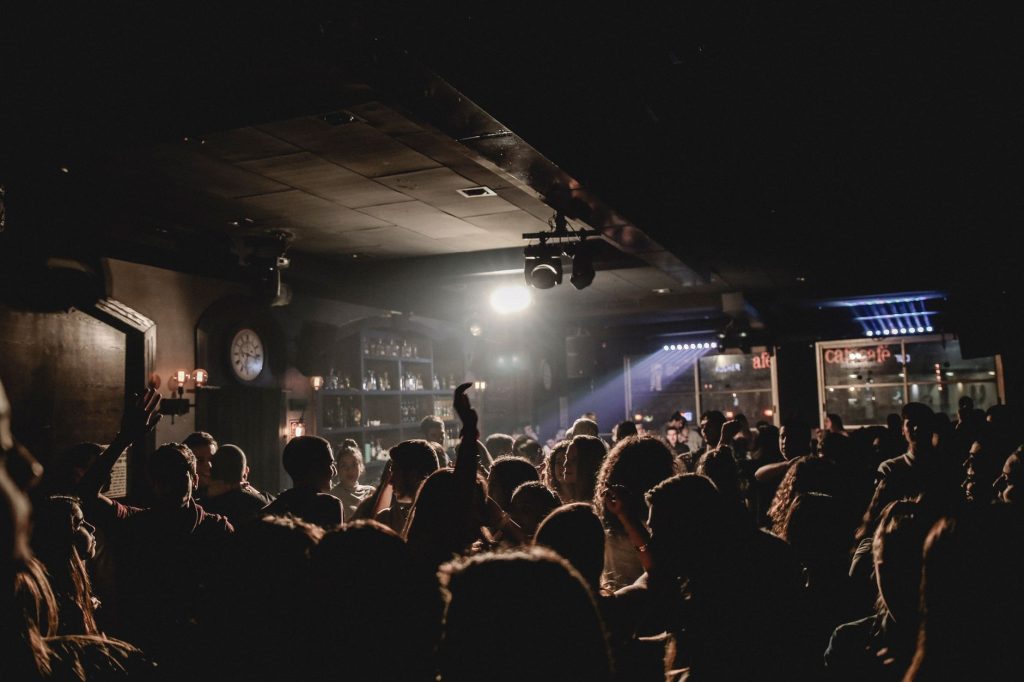
The room itself is nothing flashy — exposed brick, wooden shelves floor to ceiling on one wall, good lighting that doesn’t make everything look orange. It’s the kind of space that gets out of the way and lets the wine be the point. On a quiet weeknight it can feel almost intimate. On a football Saturday it fills up fast, and the vibe shifts accordingly.
What distinguishes Palate from a standard wine shop is that the staff actually drinks what they sell. Ask for a recommendation and you’ll get one based on what someone in the room genuinely liked, not what came in on a promotional deal. That’s not universal in retail wine, and it’s worth something when you’re trying to figure out whether to spend thirty dollars on a bottle you’ve never heard of.
If you go on a night other than Tuesday, it’s still worth stopping in. The retail selection alone is good enough to make the trip. But Tuesday is when the place operates the way it was clearly designed to — as somewhere people actually gather to talk about what’s in their glass, not just pick something up on the way home.