Monte Vista, CO – Colorado Parks and Wildlife (CPW) has called this the “worst year of human‑bear conflict on record,” and the Frisco Creek Wildlife Rehabilitation Center is bearing the brunt of the crisis. Since mid‑April, the center has taken in 47 orphaned black bear cubs, a sharp rise from the roughly 20 cubs it typically cares for each year.
From a single cub to a statewide influx
The first bear arrived in mid‑April, a six‑pound cub rescued from Evergreen that was placed on the doorstep of facility manager Michael Sirochman. From that modest beginning, an additional 46 cubs have been brought to the center from every corner of the state. CPW reports that 21 came from the southeast region, 18 from the northeast, seven from the southwest, and one from the northwest.
Injuries and treatment
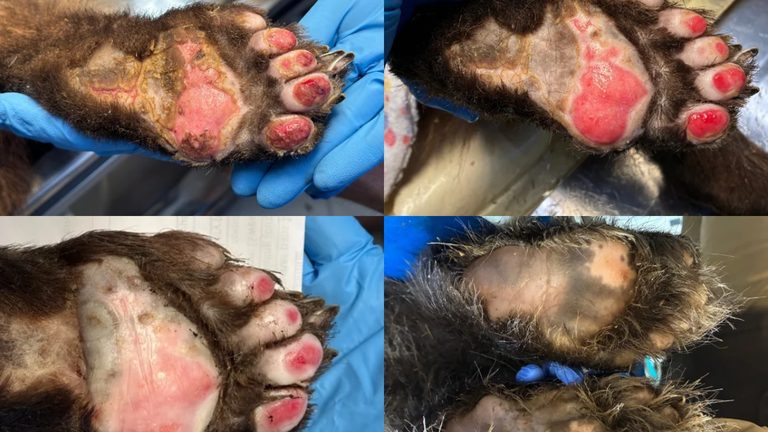
Among the arrivals was a yearling with a broken leg and another that suffered severe burns to the bottoms of all four paws in the Aspen Acres Fire. Dr. Riner, a veterinarian with CPW, explained, “This bear had significant burn injuries to all four paws, but they were already showing signs of healing. Because he survived the worst of it and we had a head start, we had high hopes for a successful outcome.” The bear entered the center weighing just 31 pounds; after intensive care, his burns have healed and he now exceeds 120 pounds. He is slated for release in late November when he is ready to den for winter.
Why the surge?
CPW attributes the unprecedented number of orphaned cubs to a combination of historic drought, late‑spring freezes and a series of large wildfires that have devastated habitats across Colorado. These conditions force bears into closer contact with human activity, increasing the likelihood of cubs becoming separated from their mothers.
Community support and future outlook
The Frisco Creek Center relies heavily on local volunteers, donations and the goodwill of the Monte Vista community. Their dedication ensures that each cub receives the medical attention, nutrition and rehabilitation needed to survive and eventually return to the wild. As the season progresses, the center remains prepared to care for any additional bears that may need help.
What residents can do
Colorado Parks and Wildlife encourages residents to report injured wildlife promptly, secure attractants such as garbage and pet food, and support local wildlife rehabilitation efforts through donations or volunteer time. By working together, communities can help mitigate human‑bear conflicts and protect Colorado’s iconic black bear population.
For updates on the bears’ progress and ways to contribute, visit the Frisco Creek Wildlife Rehabilitation Center’s website or follow their social media channels.
Original reporting: KRDO (Colorado Springs metro) — read the source article.