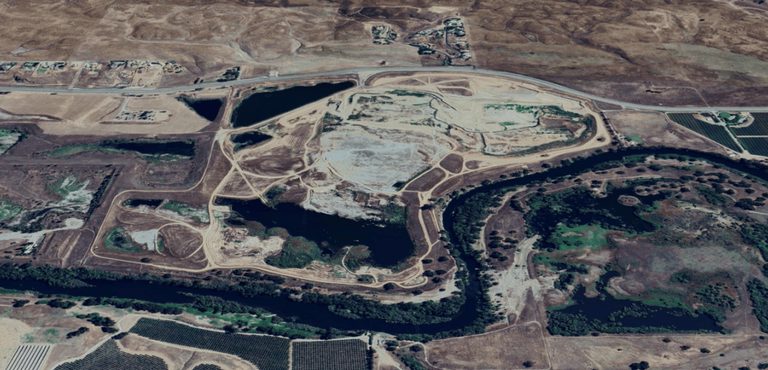
Fresno County supervisors are set to cast the final vote on a CEMEX proposal that would create a deep gravel mine on the banks of the San Joaquin River. The multinational cement and aggregates company seeks permission to blast a pit roughly 300 feet deep, a size the board’s staff says would span the width of the Golden Gate Bridge.
Local officials versus state and federal plans
The State of California has earmarked the surrounding corridor for a large park system, while the U.S. Bureau of Reclamation plans to restore the river to support salmon spawning. Together, about $1 billion in taxpayer funds have been pledged for the park‑and‑salmon project.
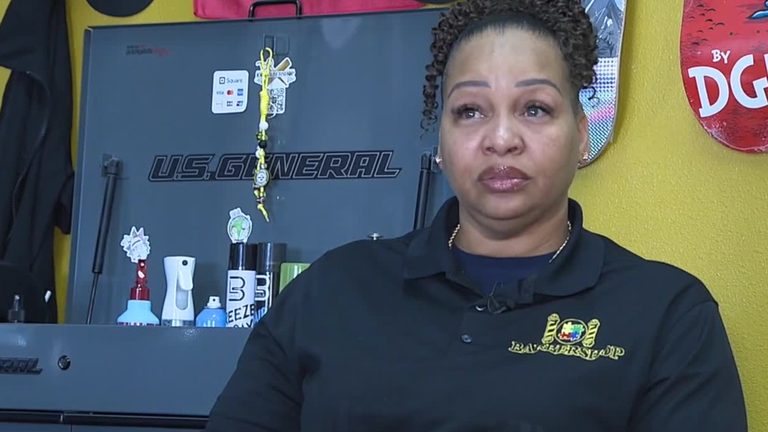
University of California, Berkeley fluvial geomorphologist Mathias Kondolf warned that the mine’s location makes a flood‑induced breach “practically guaranteed.” He explained that if high water overtops the pit’s berms, chemicals could enter the river and jeopardize the salmon restoration effort, as well as water deliveries to downstream farms.
Agency letters and county response
The Bureau of Reclamation and the California Department of Fish and Wildlife have each sent letters to Fresno County highlighting the flood risk. County planners, however, called the scenario “unlikely” and noted that CEMEX would cooperate with any required remediation.
“In the unlikely and unforeseeable event that the quarry site is ‘captured’ by the San Joaquin River, the operator would work with several local, state and potentially federal agencies for any necessary remediation activities,” the county’s environmental analysis states.
Concerns about floodplain mapping
The mine sits within the federally designated floodplain for the San Joaquin River. CEMEX’s own flood map, however, claims the site lies outside the floodplain. The company’s 2023 analysis shows that in a major flood, river water could come within inches of the berm tops, and fast‑moving water could erode the berm walls, risking collapse.
The Bureau of Reclamation warned that a breach could have “long‑term impact to fisheries, the ability for Reclamation to provide water to Holding Contracts below the proposed project site… and potentially the ability of Reclamation to deliver water to Mendota Pool for the Exchange Contract.”
Historical breaches and local impact
California has experienced two major gravel‑mine breaches on the San Joaquin River near Fresno. A 1990s breach at Milburn Avenue required millions of taxpayer dollars to seal the old pit. A 2005 breach, known as the Sycamore Island project, cost $4.5 million, fully funded by the San Joaquin River Conservancy.
Similar incidents have occurred elsewhere, including a Bay Area site breached in 2023 and a German gravel mine that collapsed during 2021 floods, carving a canyon and destroying homes.
Upcoming vote
The Fresno County Board of Supervisors will meet at 9:30 a.m. Thursday in the Hall of Records downtown to cast the final vote. The decision will determine whether CEMEX’s mine proceeds or whether the county will seek alternative locations or additional safeguards.
County communications director Sonja Dosti said the public works team is receiving many comments and questions daily but does not have enough time to respond to each individually.
As the community watches, the outcome will shape the future of the San Joaquin River corridor, local water security, and the use of taxpayer funds for park and wildlife restoration.
Original reporting: Fresnoland — read the source article.