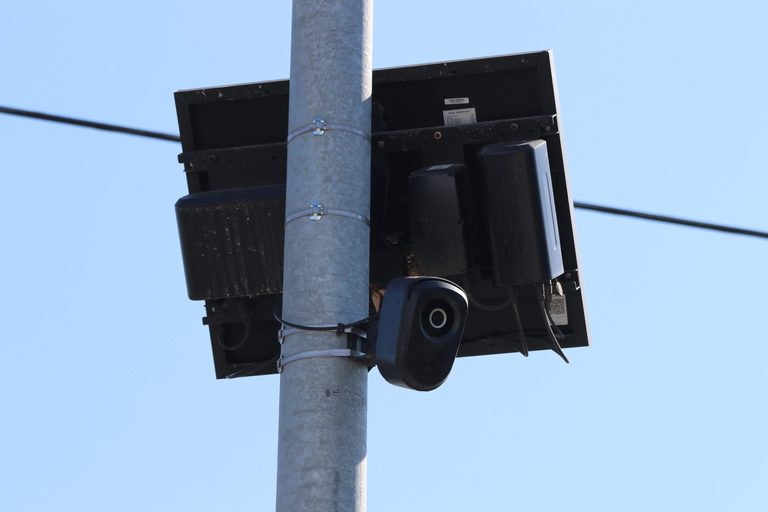
Fresno City Council voted this week to let the current contract with Flock Safety expire, ending the city’s use of the company’s automated license‑plate reader (ALPR) system. Mayor Jerry Dyer said the city expects to select a replacement vendor before the end of 2026.
Proposed guardrails for the next system
Councilmember Nick Richardson is drafting a set of guidelines that any future ALPR provider must follow. The draft includes a 30‑day data‑retention limit, mandatory auditing procedures, and a requirement that users record a detailed, authorized law‑enforcement purpose before accessing the database.
Why Fresno is moving on from Flock
Fresno Police Chief Mindy Casto disclosed that out‑of‑state law‑enforcement agencies accessed the city’s Flock data without proper authorization. Some searches were labeled “immigration,” though they originated from local agencies rather than the federal government. City leaders say these incidents are unique to Flock’s software architecture.
What the data shows
At a Nov. 6 news conference, Chief Casto reported that between January and October of this year Flock‑derived ALPR data helped solve 42 of 128 shootings and 16 of 25 murders. While those numbers suggest a role in violent‑crime investigations, experts caution that the technology’s overall impact remains unproven.
Expert perspectives
Nick Hidalgo, senior attorney for the American Civil Liberties Union of Northern California, warned that any ALPR system without a warrant requirement falls short of California’s constitutional right to privacy. “Law‑enforcement must obtain a warrant before rummaging through our location history,” Hidalgo said, referencing a recent San Jose case that was dismissed but is being appealed.
Ian Adams, associate professor of criminology at the University of South Carolina, noted that a working paper awaiting peer review found an 11 % reduction in motor‑vehicle theft after Flock cameras were installed in one jurisdiction. However, he added, “There is no study yet that shows clear, black‑and‑white numbers for violent crimes such as murder or assault.”
Potential new vendors
Fresno officials have reached out to other law‑enforcement agencies statewide, including the Los Angeles Police Department, which recently piloted Axon’s ALPR system after ending its own Flock contract. Fresno already has a long‑standing relationship with Axon, having signed a five‑year, $18.3 million agreement in 2024 for body‑worn cameras and data‑storage services.
Electronic Frontier Foundation analyst Dave Maass cautioned that switching to Axon could create a “mega‑surveillance” ecosystem if license‑plate data were integrated with live‑video analytics, body‑camera footage, and third‑party data platforms. He echoed Hidalgo’s concern that the technology itself, not just the vendor, poses privacy risks.
Next steps for the council
This Thursday the council will review Richardson’s proposed policy. He emphasized that residents deserve “privacy protections, transparency, and accountability,” while officers need clear guidelines to do their jobs effectively.
The draft largely mirrors Senate Bill 34, a 2015 state law governing ALPR use, but adds the requirement for detailed justification of each search. An EFF‑obtained public‑records request revealed that some officers previously entered frivolous reasons such as “lmao” or “haha” when filling out search forms.
Community response
Local activists who organized the “Get the Flock out of Fresno” campaign welcomed the contract termination but warned against simply swapping one vendor for another with the same capabilities. “We must ensure the next system does not repeat the same hurtful practices,” an organizer wrote on Instagram.
Fresno’s decision reflects a growing national conversation about the balance between public‑safety technology and constitutional privacy rights. The council’s upcoming vote will determine whether the city can adopt stronger safeguards while still leveraging ALPR tools to aid investigations.
Original reporting: Fresnoland — read the source article.