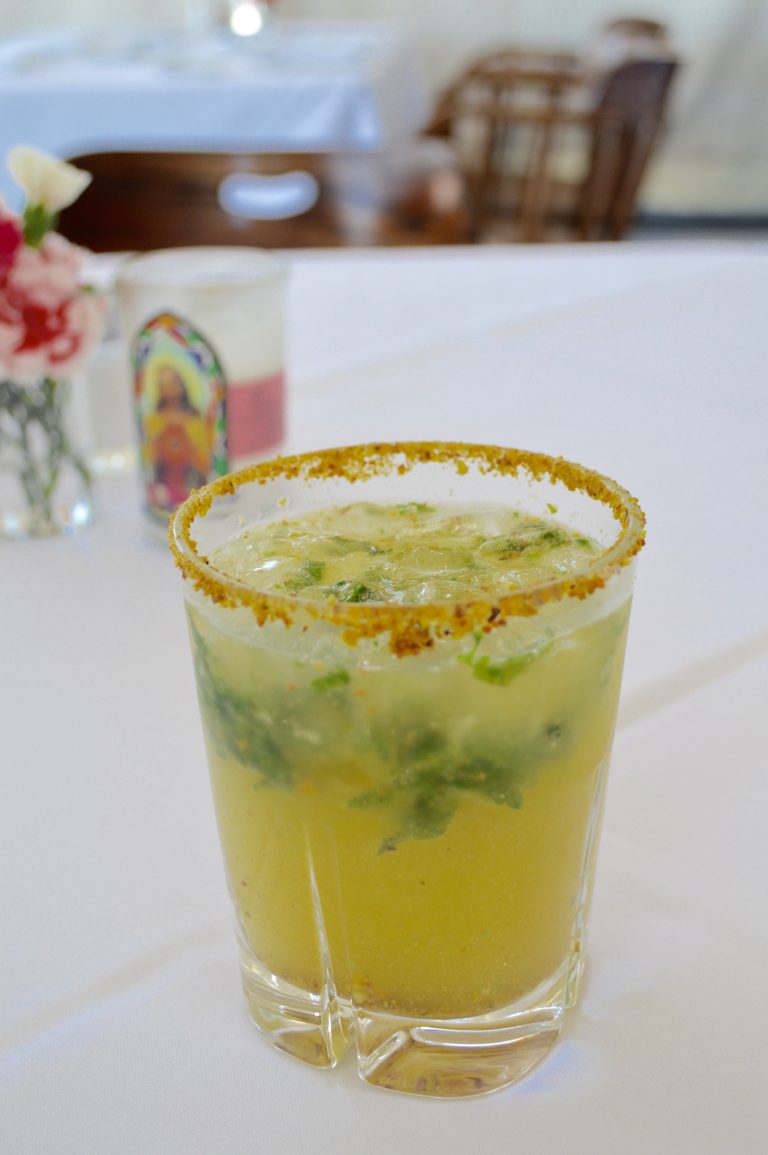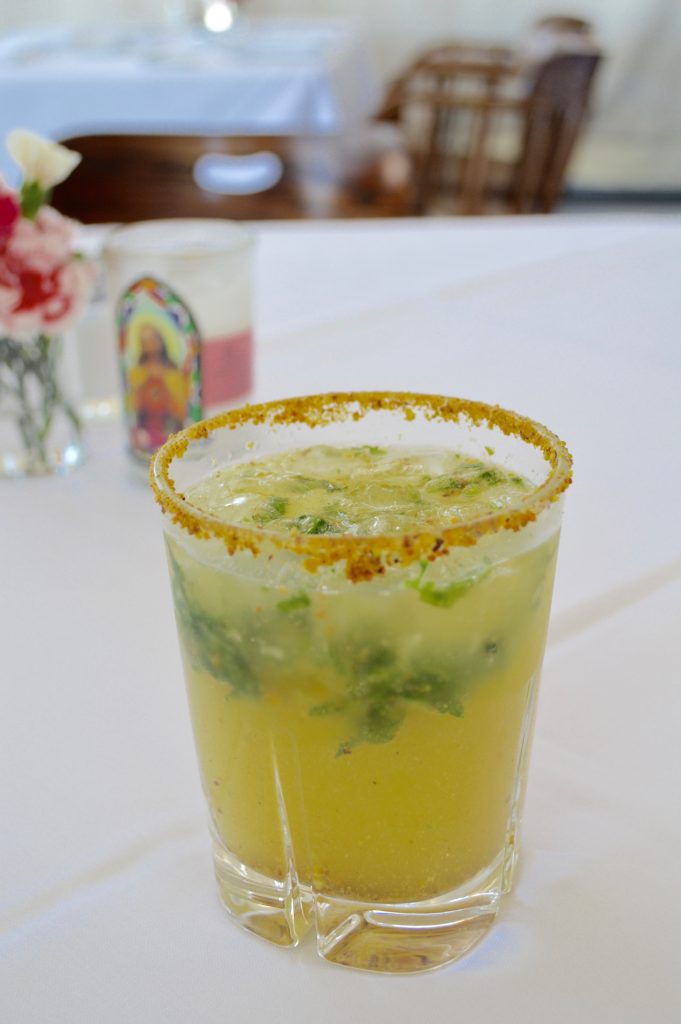
On a Tuesday evening in late October, the dining room at Barrio Café Gran Reserva fills slowly, the way a good restaurant should — table by table, with purpose. Chef Silvana Salcido Esparza moves through the space with the particular focus of someone who knows exactly what every dish on the menu cost her to figure out. Gran Reserva, her upscale counterpart to the original Barrio Café on 16th Street, operates out of a converted early-twentieth-century house on Grand Avenue, and the building’s bones are still present: low ceilings, narrow doorways, walls that hold paint the way old walls do.
Esparza has been cooking modern Mexican cuisine in Phoenix for more than two decades. She was doing mole negro and chiles en nogada before the broader American dining public knew to ask for them. Gran Reserva is where she works without the ceiling — the tasting menu format, the deeper wine program, the plating that takes its time. The price reflects that. Dinner here runs roughly $85 to $120 per person depending on the menu that evening, and that figure climbs with wine pairings. It is not cheap, and Esparza does not apologize for it.
The food draws hard from the interior of Mexico — Oaxaca, Puebla, the Yucatán — rather than the border-adjacent Sonoran cooking that dominates Phoenix’s Mexican restaurant landscape. A single course might be a chilled aguachile built around Sonoran shrimp, or a slow-braised short rib with black bean purée and pickled cactus that lands with more weight than it looks. The mole, which appears in one form or another across nearly every menu iteration, is not a shortcut. It carries the depth of something that took days.
Longtime regulars — the kind who have been coming since the early Grand Avenue days when this stretch of Phoenix felt more frontier than destination — will tell you Esparza’s real skill is restraint. The dishes are composed, not crowded. She knows when to leave a thing alone.
The room seats around forty people, and reservations are strongly recommended, especially on weekends. The wine list skews toward Mexican producers, which is rarer than it should be in a city this close to Baja wine country, and the staff can talk through it without reading from a script. Service is attentive without being performative — another thing that is rarer than it should be.
Gran Reserva sits on a part of Grand Avenue that now draws galleries, independent shops, and the occasional food truck, but the neighborhood is still working-class in texture, still a place where you park on a side street and walk past a tire shop to reach a restaurant serving elevated regional Mexican cuisine. That contrast is not incidental. Esparza has always cooked in places that asked something of the diner — a willingness to pay attention, to meet the food where it is.
The original Barrio Café opened in 2002. Gran Reserva came later, once there was enough breathing room to do something different. If the original location is where Phoenix first learned Esparza’s name, Gran Reserva is where the argument gets made in full. It is worth the drive, the reservation, and the bill.