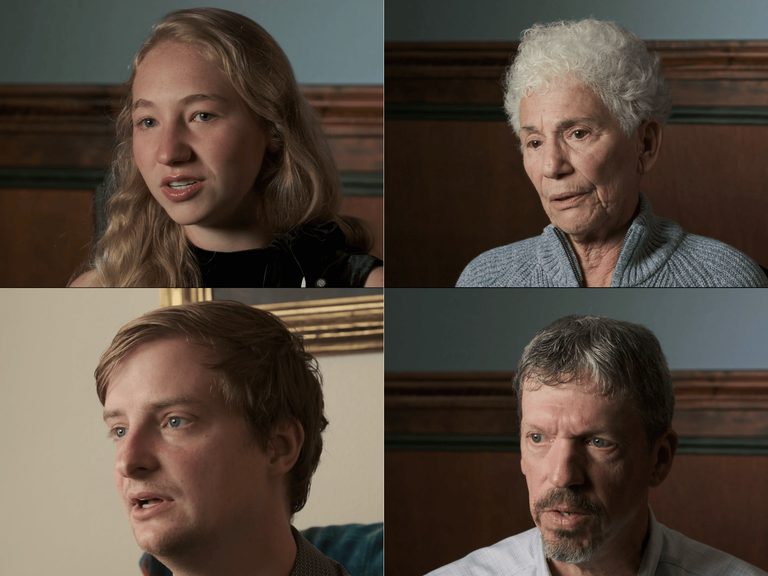
Florence residents face a pivotal election for a two‑year City Council seat that will complete the term of former Councilor Bill Meyer, who resigned earlier this year. Under the city charter, the appointed interim councilor, Mike Webb, must run for the seat, joining three other hopefuls in a race that highlights the community’s concerns about affordable housing, workforce jobs, and responsible growth.
Candidate profiles
Haylee Cole, 21 – A native Floridian who grew up in her family’s BJ’s Ice Cream Parlor, Cole says her youth is an asset. She did not attend college but earned a real‑estate license and now works as an agent. Cole wants to be a voice for her generation, improve city communication, streamline the permitting process, lower fees where possible, and expand workforce housing. She stresses the need for “better‑paying jobs” that allow families to stay in town and cautions against turning Florence into a larger city with high‑rise buildings.
Reneé Lo Pilato – With 45 years of public‑service experience in education, Lo Pilato moved to Florence five years ago and serves on the Planning Commission. She was motivated to run after a contentious council debate over Flock cameras, where she felt community members were dismissed as “activists.” Lo Pilato’s platform includes adding staff to the building department, hiring a part‑time grant writer, and committing to no new fees or taxes for the next two‑year budget cycle. She advocates for workforce housing, higher living wages, and partnering with the local Chamber of Commerce to diversify the economy beyond tourism.
Mike Webb – Appointed two years ago to fill Meyer’s seat, Webb is a vice president and commercial relationship manager at Oregon Pacific Bank. He has served on the ambulance district board since 2005 and the Florence Urban Renewal Agency board since around 2007. Webb argues his banking background gives him insight into what makes businesses succeed. He emphasizes job growth, expanding workforce housing, and streamlining building permits to reduce delays.
Fourth candidate – The fourth contender, whose name was not disclosed in the interview summary, also focuses on housing affordability and economic development, echoing many of the themes raised by the other three candidates.
Key issues for voters
All four candidates agree that Florence needs more workforce housing. Younger families often earn too much to qualify for low‑income units yet cannot afford market‑rate rents. They propose using grants and reviewing zoning restrictions to create housing that matches local wages.
Job creation is another shared priority. Candidates stress the importance of long‑term, family‑wage employment to keep residents from seeking work elsewhere. Webb points to his experience seeing “businesses of all shapes and sizes” as a guide for fostering a healthy local economy.
Permitting reform also tops the agenda. Lo Pilato wants additional staff in the building department, while Cole suggests simplifying the process and lowering fees where appropriate. Both see faster permitting as essential to attracting new businesses and supporting existing ones.
Looking ahead
The council’s upcoming decision will shape Florence’s growth trajectory for the next two years. Voters will weigh the desire to preserve the town’s small‑town charm against the need for affordable housing and robust job opportunities. As the election approaches, each candidate continues to engage with residents, emphasizing community‑driven solutions and a commitment to keeping Florence a great place to live and work.
Original reporting: Homepage – Lookout Eugene-Springfield — read the source article.