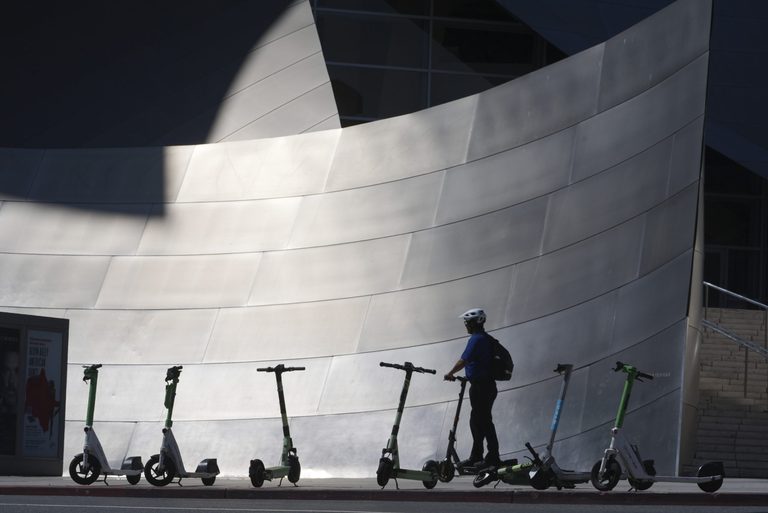
Fort Worth officials are moving to close a regulatory gap for electric bicycles and motor‑assisted scooters. The city’s existing bicycle code does not address these rapidly growing modes of transportation, and police reports show a rise in reckless riding, pedestrian conflicts and injuries.
Proposed ordinance details
Deputy Police Chief Sean Kenjura told council members on Nov. 17 that the draft ordinance would establish a minimum age for riders, require helmets, mandate front and rear lights after dark, set speed limits and limit sidewalk riding. The goal, he said, is not to “harass kids” or curb fun, but to curb dangerous behavior that is already causing harm.
“It’s to be able to address bad behavior as quickly as we can so they don’t get hurt,” Kenjura explained. He noted that officers have observed a variety of devices – roughly twenty models were shown in a police presentation – and that new variants appear daily as users customize their rides for higher speeds.
Community concerns drive action
Several council members voiced personal experiences with unsafe riding. Councilwoman Macy Hill said she has been “almost hit multiple times on the trail,” while Councilwoman Elizabeth Beck recalled a near‑collision on Forest Park Boulevard and described how e‑bikes have been “tearing up our parklands.” Councilwoman Deborah Peoples added that children riding e‑bikes in her neighborhood have put pedestrians at risk.
These anecdotes reflect a broader pattern of complaints about speeding, reckless stunts such as wheelies and jumps, and riders ignoring traffic signals. Police also highlighted the danger of pocket‑bikes, which sit low to the ground and can be hard for drivers to see.
Enforcement approach
The department plans to rely first on warnings, reserving citations and vehicle confiscation for repeat or serious violations. Training for neighborhood patrol officers will begin soon, with an emphasis on community outreach and education rather than heavy‑handed policing.
Chief Eddie García stressed that the city wants to avoid “over‑enforcing” while still holding individuals accountable. “We want to make sure we’re not over‑enforcing this, and at the same time holding individuals accountable,” he said.
Flexibility for high‑traffic areas
The ordinance would allow the city to impose stricter rules in districts with heavy foot traffic. Councilwoman Beck asked how “high‑pedestrian” zones would be defined, noting that South Main Street and West Magnolia Avenue already have bike lanes and could qualify. Kenjura acknowledged that a one‑size‑fits‑all approach would not work, citing differences between Magnolia, the Will Rogers complex and the Clearfork area.
Next steps
The council has not set a final timeline for adopting the ordinance, but officials expect to move forward with officer training and public education in the coming weeks. Residents are encouraged to report unsafe riding to the police, and high‑priority calls will receive prompt attention.
For more information, council members and police representatives will continue to meet with the Tarrant Regional Water District and other stakeholders to coordinate trail usage and ensure that Fort Worth’s streets and parks remain safe for all users.
Original reporting: Fort Worth Report — read the source article.