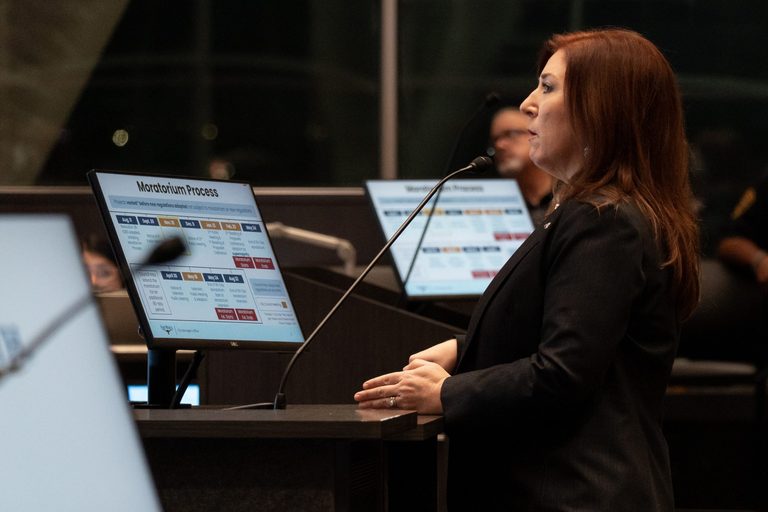
Fort Worth City Council took a decisive step toward protecting the city’s water supplies and land by holding the first of two public hearings required to adopt a moratorium on new data center development. The hearing, held on November 10, featured testimony from roughly two dozen speakers, the vast majority of whom urged the council to pause further data center construction while the city crafts sound, community‑focused regulations.
Community Voices Call for a Pause
Residents expressed overwhelming support for a temporary suspension, arguing that the booming industry must be held to strict standards that safeguard local resources. “Fort Worth has a unique opportunity to take the bull by the horns and make real progress that is for the community,” council‑appointed advisory committee member Esmeralda Zuniga said. “The moratorium should be passed.”
Local activist Julie Waters, founder of Texans United Against Data Centers, echoed the sentiment, stating, “Texas is not for sale. Fort Worth is not for sale. Pass this moratorium and make it loud and clear to every data center developer that they cannot steal our land and water just because they donated to your campaign.”
Legal Process and Timeline
Under Texas law, a city must conduct two public hearings and secure two separate council votes before a moratorium can take effect. The council unanimously voted in August to begin the process, and the November hearing fulfills the first required step. If approved by a three‑fourths council vote, the moratorium would become active on February 23 and remain in place until May 24, unless extended for an additional 90 days.
State Context and Legislative Action
The local effort aligns with broader state‑level discussions. Governor Greg Abbott, who welcomed the data center boom to Texas last year, has directed state agencies to halt permitting and audit projects that connect to the electric grid. Meanwhile, incoming Governor‑elect Gina Hinojosa, an Austin‑area Democrat, has pledged a statewide moratorium until the Legislature can pass comprehensive protections for Texans, including bans on nondisclosure agreements, requirements for union labor, and safeguards for water supplies.
In the 2026 midterm elections, Tarrant County and much of Texas shifted blue after decades of GOP leadership, a change that many local speakers linked to growing concerns about data center impacts.
Legislative Proposals Targeting Data Centers
State Rep. Salman Bhojani, a Democrat from Euless, introduced a bill requiring developers to register projects with affected local governments and disclose water and electricity usage. Incoming Republican Rep. Armin Mizani, former Keller mayor, filed legislation that would require city approval for data centers within municipal boundaries and county approval for projects in unincorporated areas.
At a recent panel hosted by the Fort Worth Report, Tarrant County Commissioner Matt Krause and Council member Elizabeth Beck called for expanded local authority over data center siting, as well as stronger regulations on water usage, air quality, energy consumption, and state sales taxes related to the industry. Krause announced plans to introduce a resolution at the November 17 commissioners’ court meeting to end tax abatements for data centers in Tarrant County.
Impact on Existing Projects
While the moratorium would halt new construction and pause zoning or permit requests for data centers, it would not affect projects already approved and permitted. One such project is the $10 billion data center led by energy conglomerate Black Mountain in southeast Fort Worth, which will continue under existing approvals.
Looking Ahead
With the council set to hold a second hearing and a final vote later this winter, Fort Worth residents and local officials remain hopeful that the moratorium will provide the breathing room needed to develop robust, transparent regulations that protect the community’s water, land, and quality of life.
Original reporting: Fort Worth Report — read the source article.