Fort Worth City Council approved a comprehensive policy on the police department’s Flock license‑plate reader cameras on September 11, a move aimed at balancing powerful investigative tools with robust privacy protections for residents.
Why the policy matters
Chief Eddie García called the system “one of the most important law‑enforcement tools” in his 35‑year career and emphasized the department’s responsibility to use it wisely. The policy, which the chief signed, spells out exactly when and how officers may run searches, what training is required, and how the city will audit every use.
Authorized and prohibited uses
Under the new rules, searches are permitted only for legitimate law‑enforcement purposes, such as criminal investigations, active warrants, missing or endangered persons, stolen vehicle alerts, statewide emergency alerts, or authorized audits and training. Searches that are personal, based on bias, or target “sensitive areas” like clinics, treatment centers, places of worship, or political activity without a criminal predicate are expressly prohibited.
Violations can lead to discipline up to termination and even criminal charges. Every search is logged, tied to a single officer, and subject to review. The system flags unusual patterns, such as repeated searches of the same plate, and can lock out users pending investigation.
How the system works
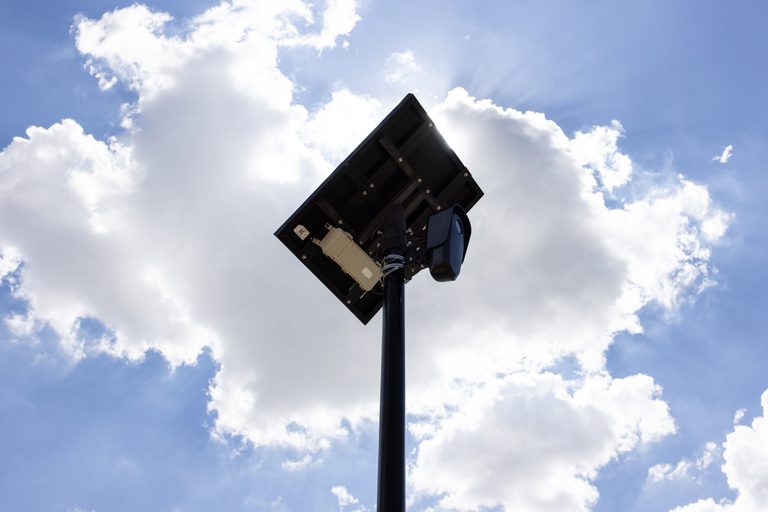
Fort Worth operates 819 Flock cameras—513 mounted on patrol cars and 306 at fixed locations. The cameras capture still images of license plates along with the vehicle’s color, make, body style and visible accessories, then check the plate against alerts for stolen vehicles, wanted persons, Amber and Silver alerts. If a match occurs, the officer receives an immediate notification.
Data is stored in an encrypted online system and retained for 30 days to aid follow‑up investigations. The department will conduct random monthly audits of 100 searches and audit all emergency and “blank reason” searches.
Local impact and oversight
Since 2020, the department reports more than 2,200 arrests where the Flock system made a difference, including investigations of homicides, robberies, missing‑person cases and stolen‑vehicle incidents. Council members praised the policy, noting that clear rules help maintain public trust.
Councilmember Michael Crain said the technology “helps officers solve crimes quickly and keeps our streets safer, and we owe residents clear rules on how that data is used.” Councilmember Charlie Lauersdorf added, “Great tool… I’d hate to shut down a hospital because of one bad doctor. I completely support this new policy.”
Future transparency
The department plans to launch a public transparency portal that will detail each search, and quarterly audits will be presented to the council. An independent auditor will conduct an annual review, ensuring ongoing accountability.
Chief García noted that camera locations are chosen based on input from neighborhood patrol officers, commanders and public requests. While the highest concentrations are in Districts 11 and 3, the policy applies citywide.
Looking ahead
State legislators are considering bills that could affect funding for license‑plate reader systems, but Fort Worth’s program is largely funded by the city’s sales‑tax‑backed Crime Control and Prevention District, insulating it from potential state cuts.
As the city moves forward, officials stress that the balance between effective policing and privacy rights is essential to maintaining community confidence in law‑enforcement tools.
Original reporting: Fort Worth Report — read the source article.