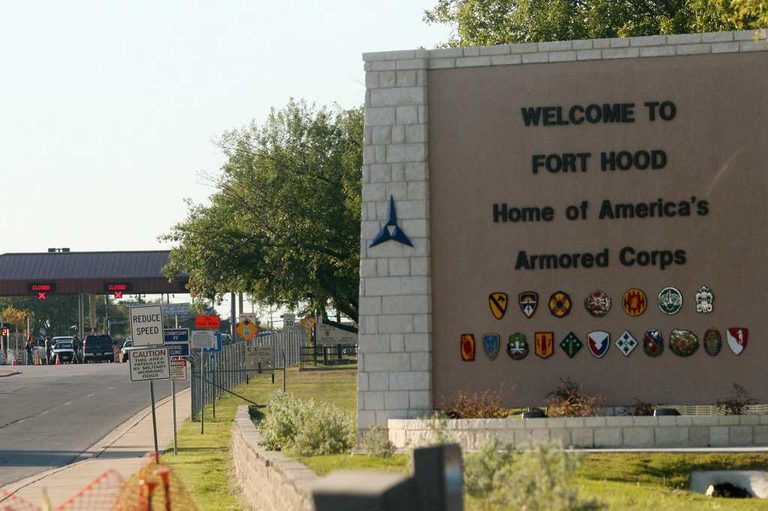
Three survivors of the 2009 Fort Hood shooting will not be permitted to witness the execution of former Army psychiatrist Nidal Hasan, scheduled for Dec. 3. The Army said the survivors do not meet the strict definition of “direct victim” under military execution regulations.
Legal basis for the denial
According to an email shared with the Associated Press, Army officials rejected the survivors’ request for reconsideration, citing both security concerns and space limitations. The regulation governing military executions limits attendance to individuals who were directly harmed by the condemned officer’s actions.
Survivors’ argument
The three petitioners argued that the Uniform Code of Military Justice allows a broader interpretation of “victim,” encompassing anyone who suffered direct physical, emotional, or pecuniary harm. They contended that being wounded by shrapnel, experiencing severe trauma, or losing a colleague qualifies them as victims deserving witness rights.
Response from the Army
The Army reiterated that the existing rules specify who may attend, and noted that about 160 witnesses are expected, with roughly 90 already indicating interest. The commandant of Fort Leavenworth, where Hasan is held, confirmed that the decision is final and that no further appeals will be considered.
Personal testimonies
Retired Colonel Kathy Platoni, who would have supervised Hasan on a planned Afghanistan deployment, expressed deep disappointment. “I would desperately like to attend,” Platoni said from her home in Ohio. “To look Hasan in the eye and say, ‘You didn’t get me.’”
Platoni recalled the chaotic moments after the gunfire began, describing how soldiers carried the wounded captain on a chair and how she herself knelt beside a young man, still holding a blood‑stained uniform. “That will be with me forever,” she said.
Julia Wilson, who was nine months pregnant at the time of the attack, also voiced anguish. “We have faced institutional betrayal after institutional betrayal,” Wilson said. “If they don’t fix it, we’re never going to leave that battlefield. We’ll never heal.”
Retired Major C. Alan Hopewell, who testified at Hasan’s trial, added that a missed bullet that struck his car left him feeling excluded. “A bullet missed me and hit my car. I guess if the bullet had hit me … they would consider me a victim and let me attend,” he said.
Broader implications
The three survivors said they will continue to push for the Fort Hood shooting to be reclassified as an act of domestic terrorism rather than workplace violence. Their effort reflects a growing desire among victims and families to have their experiences recognized in official terminology.
The Army noted that it will not release details about the firing squad or specific protocols for the execution, citing operational security.
Context of the execution
Hasan’s execution will be the first U.S. military execution by firing squad since World War II and the first execution overall since 1961. A prior plan to livestream the event was cancelled after bipartisan criticism.
Original reporting: WPBF (Treasure Coast / Hearst) — read the source article.