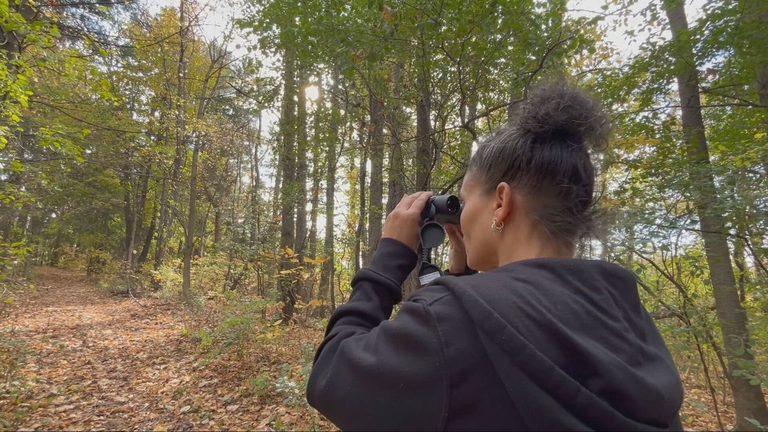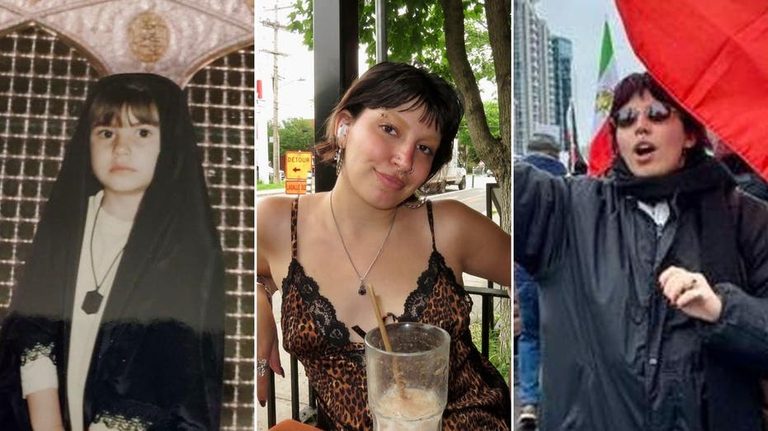
Parishad Kavyani, who grew up in the Islamic Republic of Iran before moving to Canada at age 14, has publicly broken with the pro‑Palestine, anti‑Israel movement she once championed. In a recent interview with Fox News Digital, Kavyani described the shift as a product of “liberal intellectualism” that focuses on a single oppressor while ignoring the broader human‑rights picture.
From activist to critic
Kavyani spent more than two years marching for a free Palestine, but the events of October 7, 2023, when Hamas launched a terrorist attack on Israel, prompted a profound reassessment. “When October 7 happened, I had a lot of conversations with people about it,” she said. “Just because someone holds an Israeli passport doesn’t mean they should be killed. Civilians should never be targeted, no matter the ideology behind the conflict.”
She added that the movement’s response to the attack revealed an alarming hierarchy of victims. “You cannot create a hierarchy of people and say this person deserves saving more than that person,” Kavyani argued, calling the selective empathy “insane.”
Iranian women left out
Beyond the Israel‑Palestine conflict, Kavyani highlighted what she sees as a glaring blind spot: the lack of advocacy for Iranian women’s freedoms. “They advocate for liberation of people, they advocate for women’s rights, but when it comes to Iranian women wanting freedom, wanting the freedom to wear whatever they want, they suddenly are quiet — and not only quiet, but they support the oppressor,” she said.
Kavyani explained that growing up in Iran exposed her to state‑controlled narratives that painted Palestinians as perpetual victims while ignoring the daily hardships faced by ordinary Iranians. “You see poverty everywhere, villages without drinking water, no road to a hospital. The government does nothing for its own people, yet it spends resources on foreign causes,” she noted.
Why she left the cause
After the October 7 attacks, Kavyani began distancing herself from the movement, stating, “This is not the group that I want to associate myself with because I don’t think a lot of the people within that movement are there for the human‑rights aspect of it.” She described the coalition as “cherry‑picking” between killers, a practice she finds morally untenable.
While Kavyani’s critique is personal, it raises broader questions about the consistency of human‑rights advocacy. If a movement truly seeks universal liberty, it must apply the same standards to all oppressed peoples, including those in Iran, and reject any rhetoric that elevates one group’s suffering over another’s.
Implications for activism
Kavyani’s departure underscores a growing tension within activist circles: the challenge of maintaining a principled, all‑encompassing stance in a highly polarized environment. For faith‑based and family‑oriented communities that value consistent moral standards, her experience serves as a reminder to evaluate causes through a holistic lens rather than a partisan one.
As the debate over foreign policy and human‑rights advocacy continues, voices like Kavyani’s highlight the importance of aligning activism with the core Christian principles of love, justice, and the inherent dignity of every individual.
Original reporting: Fox News (HLL/CB) — read the source article.