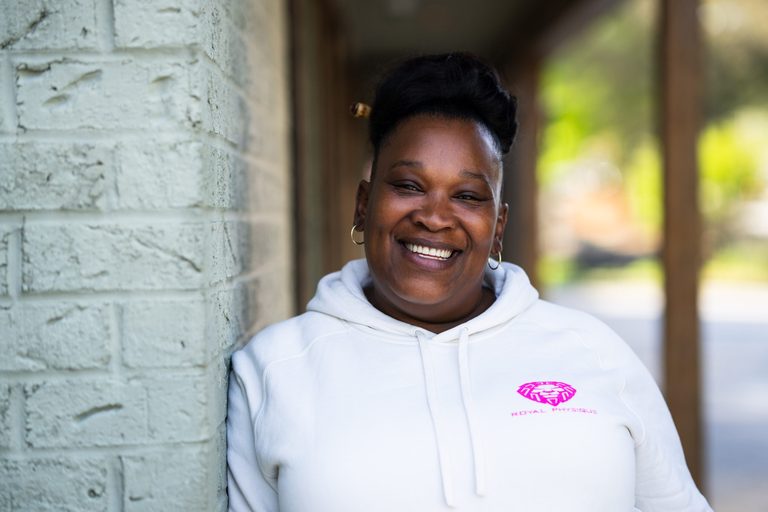
Sabrina Hill, a 48‑year‑old mother of four, left prison with only a $25 debit card and no family to rely on. Determined to rebuild her life, she entered the Metro Transitional Center, a halfway‑house in Atlanta that offered a quiet, safe environment as a first step toward freedom.
Faith‑Based Support Opens Doors
Through a program at the Transitional Center, Hill connected with City of Refuge, a faith‑based organization located in the historic Vine City neighborhood on Atlanta’s Westside. She moved into the Welcome Home House, a four‑bedroom residence that provides privacy, a supportive church community, and dedicated case managers. A City of Refuge case manager pledged to help Hill regain custody of her teenage daughter, and after months of effort, Hill succeeded in reuniting with her now‑18‑year‑old child.
Employment Services Provide a Path to Self‑Sufficiency
Hill’s next step came when a friend recommended the Center for Employment Opportunities (CEO). The organization’s program manager, Antwahn Mangum, greeted Hill with genuine concern, saying, “I can see it in your face—you’re stressed. What’s going on?” CEO, founded three decades ago, serves nearly 8,000 formerly incarcerated men and women each year across 14 states and boasts the nation’s strongest recidivism‑reduction record.
In 2021 CEO opened an Atlanta hub with support from the GreenLight Fund. After a successful four‑year run, the Arthur M. Blank Foundation awarded CEO a $1.5 million grant in 2025 to expand services on Atlanta’s Westside—an expansion that arrived just in time for Hill.
From Parks Crew to Courier Driver
Through CEO, Hill began working three days a week on a clean‑up crew for the Atlanta Department of Parks and Recreation. While on the crew, CEO continued to search for permanent employment. Within three months, Hill secured a position with a local mom‑and‑pop courier service. She describes the work as a perfect fit: “Driving is my thing. I love being on the open road. It helps me clear my head and meditate.” The commission‑based job typically brings about $100 a day, but Hill values the mentorship she receives. Her boss is teaching her the business, encouraging her to obtain a commercial driver’s license, acquire her own van, and eventually start her own company.
Ongoing Community Support
Beyond employment, Hill continues to receive assistance from City of Refuge, CEO, and her church. Together they help her develop work skills, keep her youngest child safe, reconnect with extended family, and overcome lingering guilt. Hill says, “I could write a book about all that I’ve experienced, but I’m not ready yet. I still have so much I want to prove to myself and to my children.”
Hill’s story illustrates how faith‑based nonprofits and evidence‑based employment programs can transform lives, reduce recidivism, and strengthen families in Atlanta’s Westside community.
Original reporting: SaportaReport — read the source article.