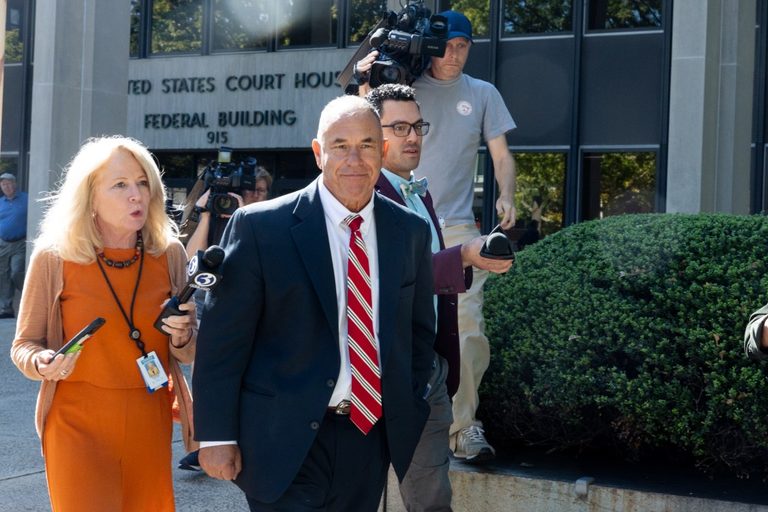
Connecticut residents will have to wait longer for answers in the high‑profile corruption case of former state budget director Konstantinos “Kosta” Diamantis. U.S. District Judge Stefan Underhill announced on Friday that the second criminal trial, which centers on alleged bribes tied to a cancelled Medicaid audit, will not begin until June 2027.
Why the delay matters for Connecticut
Diamantis, who fled to Greece last month to avoid a seven‑year prison sentence for bribery, extortion and related crimes, was scheduled to face a new trial in early December. After his sudden departure, prosecutors and defense counsel agreed to push the proceedings back, giving authorities more time to determine whether the fugitive can be returned to the United States before the new docket date.
Assistant U.S. Attorney Jonathan Francis told Judge Underhill that the legal arguments presented at the upcoming trial could shift depending on Diamantis’ custody status. Nonetheless, the court indicated that the trial will move forward regardless of his physical presence, with an estimated duration of roughly one week.
Allegations in the second case
The indictment alleges that Diamantis used his former position to help Helen Zervas, a Connecticut eye doctor under investigation for potential Medicaid fraud, by pressuring state officials to cancel an audit of her optometry practice. In exchange, prosecutors say Diamantis accepted $95,000 from Zervas and her fiancé, former state lawmaker Chris Ziogas.
Prosecutors have released communications between Zervas and Diamantis, including a message in which Diamantis asked Zervas to calculate the value of “avoiding criminal fraud charges.” Both Zervas and Ziogas have already pleaded guilty in federal court.
Background on the former budget director
During his first criminal trial last year, a jury convicted Diamantis on 21 counts of bribery, extortion, conspiracy and lying to federal investigators. The verdict found that he leveraged his public office to enrich himself and his family. Following that conviction, Diamantis obtained a Greek passport and dual citizenship, complicating extradition efforts.
Federal officials said Diamantis had arranged a meeting with an agent at Athens airport to voluntarily return to the United States, but he never appeared. Since then, he has given dozens of interviews to Connecticut media, claiming he is the victim of a politically motivated prosecution.
What’s next?
Judge Underhill’s decision sets a new timeline for the federal government to either secure Diamantis’ return or proceed with the trial in his absence. The case remains a focal point for Connecticut voters who are concerned about public‑sector corruption and the integrity of Medicaid oversight.
State officials have not commented further, but the delay underscores the challenges of pursuing high‑profile corruption cases when defendants flee abroad. As the June 2027 date approaches, Connecticut residents will be watching closely to see whether justice can be served, even from across the Atlantic.
Original reporting: The Connecticut Mirror — read the source article.