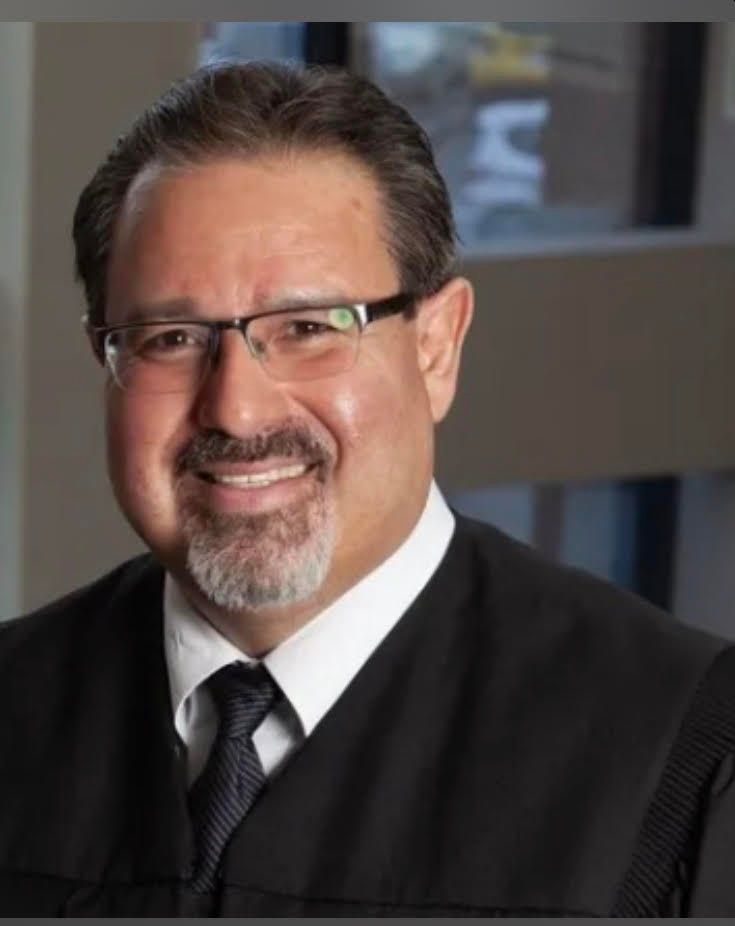
Indianapolis – Former bailiff Arivand Harber praised the Indiana Supreme Court’s decision to suspend Marion County Judge Jose Salinas for 45 days without pay, calling it a necessary step toward accountability in the courtroom. Harber, who worked in Salinas’ courtroom, said the suspension sends a clear message that mistakes affecting freedom must have consequences.
Supreme Court Finds Supervisory Failures
The state’s highest court concluded that Judge Salinas failed to properly supervise his staff, leading to missed court dates, delayed case handling, and errors in processing expungements that can clear criminal records. One individual remained in jail for nearly six months after a judge ordered his release, and another was mistakenly charged as a serious violent felon because an expungement was not processed correctly.
Impact on Families and Constitutional Rights
Harber expressed relief for families who suffered from these errors. “I was in kind of disbelief, but I’m actually happy for the families who had to go through this process and didn’t get justice,” he said. He added that keeping someone incarcerated after a release order “goes against their constitutional rights” and is “egregious.”
Firsthand Observations of Oversight Gaps
Drawing on his own experience, Harber said he never received proper training and observed that Judge Salinas was not hands‑on with his court staff. “Judge Salinas was not hands‑on with his court staff,” he noted, underscoring the need for stronger leadership in the courtroom.
Respectful Outlook and Retirement Speculation
Despite the criticism, Harber said he retains “the utmost respect” for Salinas and wishes him well. He suggested the suspension could accelerate the judge’s retirement after two decades on the bench. “If I were him, I’d want to end my career on a good note,” Harborn said.
Suspension Details
Judge Salinas will begin serving the 45‑day suspension without pay on Dec. 7, 2026, and is scheduled to return to the bench on Jan. 21, 2027. Harber believes the action demonstrates that the judiciary can correct its own mistakes when they are identified.
Broader Implications for Court Accountability
Harber concluded, “Sometimes we don’t get it right. If we can admit our wrongs, the Supreme Court has seen that something went wrong and action needs to be taken. Accountability is what needs to happen.” The suspension underscores the Indiana Supreme Court’s willingness to enforce standards that protect individual liberty and ensure transparent, reliable court operations.
Original reporting: 93.1 WIBC (Indianapolis) — read the source article.