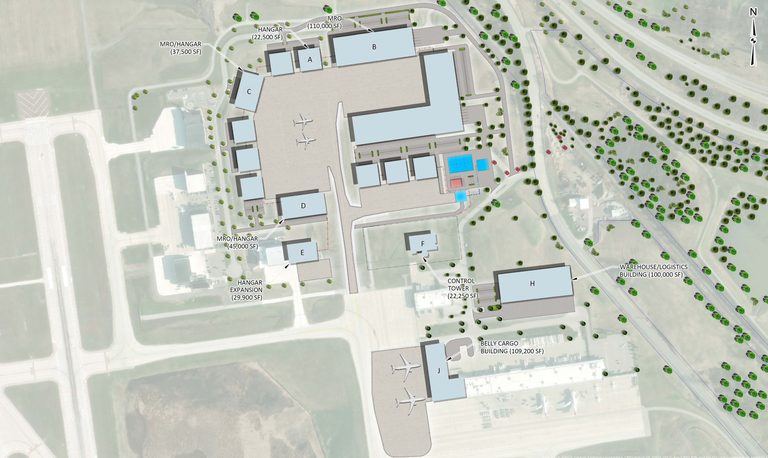
Gerald R. Ford International Airport in Grand Rapids announced the completion of a new taxiway extension that opens up over 50 acres of land for aviation‑related development. The $5.2 million project adds a 50‑foot‑wide, 1,250‑foot‑long section of taxiway in the airport’s northeast corner, providing direct aircraft access to future parcels.
Project details and funding
The extension was finished in October and was primarily funded through federal grants. Local contractors, including C&S Companies (design), Fischer‑Idema, LLC (general contractor), Driesenga Associates, Fence Consultants and SME, helped bring the project to fruition, creating 60 construction jobs during the build.
What the new land will host
The newly accessible acreage is earmarked exclusively for aviation purposes: aircraft hangars, maintenance, repair and overhaul (MRO) facilities, corporate flight operations and other aviation‑related investments. Airport officials say the area represents a significant opportunity for private aircraft owners, corporate flight departments and service providers seeking a base at one of the Midwest’s fastest‑growing airports.
Economic and community impact
“As demand for aviation facilities continues to grow, it is important we proactively invest in infrastructure that positions the Ford International Airport and our region for future opportunities,” said Carlos Ruiz, chief commercial officer of the airport authority. “This taxiway expansion creates the foundation for new aviation development and strengthens West Michigan’s ability to attract aviation investment and job creation.”
Airport President and CEO Tory Richardson added, “By preparing additional land for aviation development, we are creating opportunities for new investments, job creation and long‑term growth while ensuring the Airport remains positioned to meet the evolving needs of the aviation industry and the West Michigan community.”
Long‑term strategy
The expansion aligns with the airport’s long‑term strategy to responsibly accommodate aeronautical growth, attract new aviation businesses, and generate revenue that can be reinvested in future capital improvements and maintenance projects. With most existing airside and hangar sites already leased, the new parcel provides a crucial outlet for meeting rising demand.
Next steps
The airport authority has begun marketing the available property to prospective investors and operators. Officials anticipate that the added capacity will help sustain West Michigan’s reputation as a hub for aviation activity and support broader regional economic development.
Original reporting: FOX 17 WXMI Grand Rapids (local) — read the source article.