Public‑health officials in Idaho’s Treasure Valley are warning residents that flu season has arrived roughly a month earlier than usual. Southwest District Health reports a steady increase in influenza‑like illness across the region, though they say the surge is not yet threatening hospital capacity.
Early rise in flu cases
According to the district’s epidemiology program manager, Lekshmi Venugopal, the current flu activity mirrors the moderate season projected by the CDC for this year, similar to last year’s pattern. “We’re not that concerned about our hospital capacity getting stressed or an increase in deaths,” Venugopal said, emphasizing that the health system remains stable.
Testing data show that about 12% of symptomatic patients who have been screened are returning positive results for influenza A, which is now the dominant strain in Idaho. In addition to flu, health officials have detected other respiratory viruses in the community, including enterovirus D68 in wastewater samples, while COVID‑19 cases remain at minimal levels and RSV activity is very low.
Schools identified as primary spreaders
Experts note that the virus typically gains a foothold in schools before moving into households. “Every year we see that group getting first affected because they spend a lot of time together at the school, then they come back home and spread it to the other age groups too,” Venugopal explained.
Brian Martin, a pathology professor at the Idaho College of Osteopathic Medicine, added that cooler weather drives people indoors, creating conditions that favor transmission. “Everybody’s in the classroom, all the buildings are locked up, the weather turns sour…people are inside more often, and that just allows the virus to transmit more easily,” he said.
Vaccination still matters
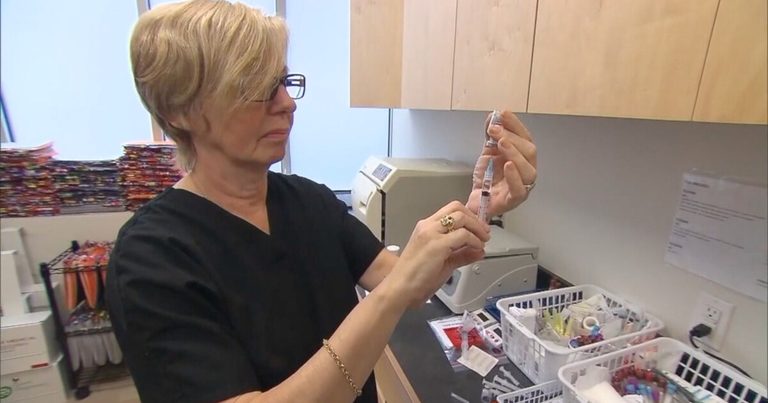
While influenza viruses mutate quickly, health officials stress that even a partially matched vaccine can provide meaningful protection. “A 50% better chance of having an immune response that fights off the virus is still better than nothing,” Martin said.
Residents are encouraged to get vaccinated, practice good hand hygiene, and stay home if they feel ill. The district will continue monitoring flu trends and updating the public as the season progresses.
What to watch for
Officials will keep an eye on hospital admissions, mortality rates, and any signs of a more severe strain emerging. They also advise parents to keep children home when they show symptoms to help curb spread.
For the latest updates on flu activity and preventive measures, visit the Southwest District Health website or follow their social‑media channels.
Original reporting: KIVI Idaho News 6 (Nampa stories) — read the source article.