Chicago’s public‑health department warns that flu activity is climbing as families prepare for Thanksgiving travel and gatherings. The latest respiratory‑illness report shows 4.6 percent of flu tests returning positive, up from 2.1 percent just weeks earlier.
Why the uptick matters
Dr. Alex Sloboda, medical director of emergency preparedness and immunization for the city, says the current numbers are more typical of mid‑December to late‑December, a time when flu season traditionally peaks. “We usually see a gradual rise toward the end of the year, but this early increase underscores the importance of getting vaccinated now,” Sloboda explained.
Despite the rise, emergency‑room visits, hospitalizations and intensive‑care admissions remain low across all age groups. The only notable trend is a steady climb in ER visits among children under 18, a reminder that younger families should prioritize vaccination.
Statewide context
Illinois mirrors Chicago’s pattern, with flu‑related hospital admissions climbing from 0.42 percent to 0.59 percent for the week ending Nov. 14. At the same time, admissions for COVID‑19 and respiratory syncytial virus (RSV) have declined, according to the Illinois Department of Public Health.
H1N1 continues to dominate as the primary influenza A subtype both locally and nationally. Earlier this year, Dr. Sloboda suggested that viral mutations may have contributed to the early start.
Vaccination progress
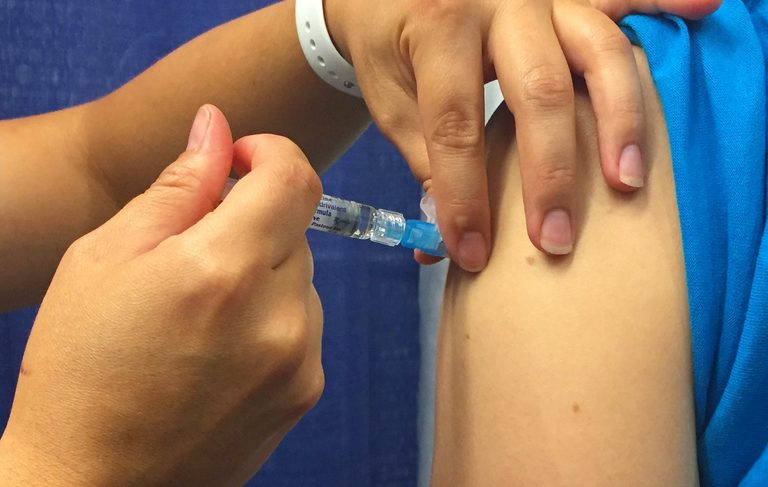
Chicago is experiencing what appears to be its highest flu‑vaccination rate for this point in the season in about five years. About 20.7 percent of Chicagoans have received their flu shot so far, compared with a typical 30‑percent coverage by season’s end.
Higher vaccination rates are expected to blunt the severity of the upcoming flu wave. “The more people we vaccinate now, the better we protect our community, especially our seniors and children,” Sloboda said.
How to get vaccinated
The city offers free flu and COVID‑19 vaccines to anyone six months of age and older, regardless of insurance status. Residents can visit any of the four walk‑in immunization clinics operated by the Chicago Department of Public Health, schedule an appointment online, or simply walk in.
Additional community vaccination events are planned throughout the city. A full calendar of upcoming events and registration details are available on the department’s website.
What families should know
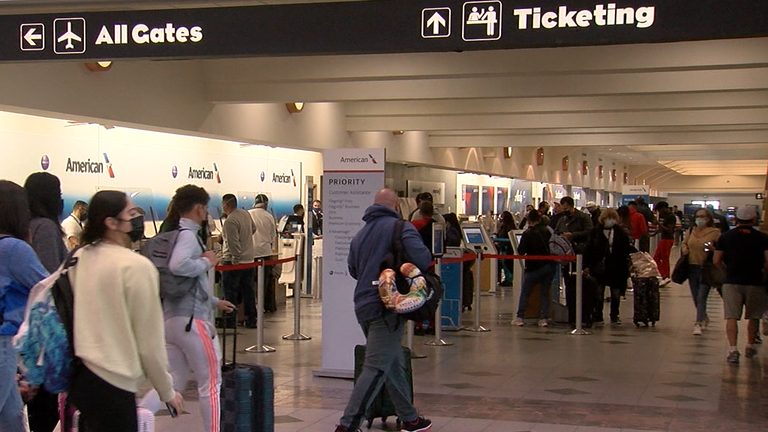
The CDC recommends waiting about two weeks after vaccination for full protection to develop. Health officials urge Chicagoans who have not yet been vaccinated to do so before holiday travel and family gatherings.
All city health department offices and clinics will be closed Thursday for Thanksgiving, resuming regular hours on Friday.
Original reporting: Block Club Chicago — read the source article.