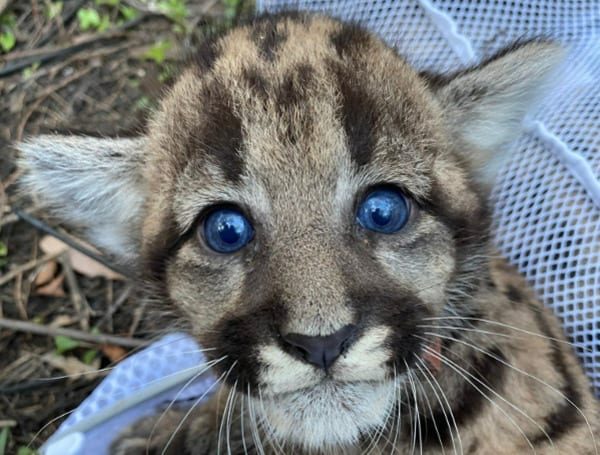
Deep in southwest Florida’s cypress swamps and pine flatwoods, an estimated 120 to 230 wild panthers are living on borrowed time. Decades of conservation once rescued the species from the brink of extinction, but today urban sprawl and speeding traffic threaten their recovery.
Habitat Bottleneck and Territory Needs
Historically, Florida panthers roamed the entire southeastern United States. Now the last breeding population is confined to the southern tip of the Florida peninsula, mostly south of the Caloosahatchee River. A single adult male requires up to 378 square miles of land to hunt, while young males travel an average of 42 miles just to find a suitable patch of woods.
Road Mortality Takes a Heavy Toll
Bulldozers clearing land for new neighborhoods and highways are shrinking the cats’ hunting grounds. As prime habitat disappears, rival males clash, and panthers are forced onto multi‑lane roads. Vehicles have killed at least 239 panthers over the past ten years, according to data from the conservation group Panther Crossing—more than the number of animals currently known to be alive in the wild. Young males suffer the most, but breeding females are also regularly struck.
“They’ve been kind of cornered into this little area of Southwest Florida, and that’s where we see the majority of these roadkills,” said Elise Bennett, Florida and Caribbean director at the Center for Biological Diversity.
Health Threats Beyond Traffic
Even when panthers avoid collisions, they face invisible hazards. Biologists monitor the population for feline leukemia, mercury poisoning passed up the food chain, and a mysterious neurological disorder that weakens their back legs. The Florida Fish and Wildlife Conservation Commission urges residents and trail‑camera owners to submit footage of wildlife showing rear‑leg problems.
State Efforts to Create Safe Corridors
To break the habitat bottleneck, state agencies and conservationists are building wildlife crossings. Crews have installed miles of heavy fencing and underpasses/overpasses on major routes such as Interstate 75, Interstate 4, and U.S. Highway 27. These structures aim to steer panthers away from windshields and link private ranches with protected lands, forming a continuous green corridor toward central Florida.
“Increasing the range and size of the population is the progress of recovery,” said David Shindle of the Florida Fish and Wildlife Conservation Commission.
Since 2016, trail cameras have captured several females raising kittens north of the Caloosahatchee River for the first time in more than forty years—a hopeful sign that the state animal is slowly reclaiming its historic range.
Original reporting: Tampa Free Press — read the source article.