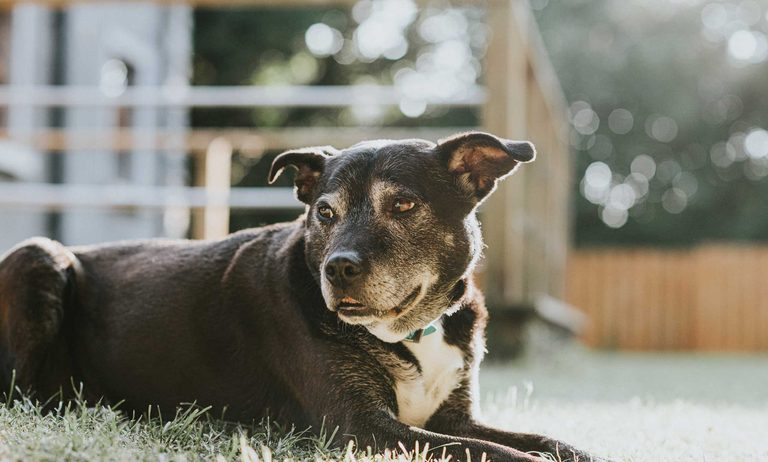
Pet owners in Florida – and across the nation – are being reminded that older dogs can develop a condition similar to human dementia, known as canine cognitive dysfunction (CCD). Veterinarians Cathy Alinovi, D.V.M., of Healthy Pawsibilities in Clearwater, and Sarah Amblard, D.V.M., of Marathon Veterinary Hospital in Marathon, shared the most common symptoms and practical ways to manage the disease.
What is canine cognitive dysfunction?
Alinovi describes CCD as “a similar process” to human dementia. As dogs age, their brains process information less efficiently, leading to confusion, disorientation, and changes in behavior. Recognizing these shifts early can help owners maintain their pet’s quality of life.
Watch for the DISHAAL signs
Amblard recommends remembering the acronym DISHAAL, which covers the most frequent CCD indicators:
- Disorientation – getting stuck in corners or behind furniture.
- Abnormal Interactions – wandering aimlessly or staring at walls.
- Sleep/Wake Cycle Disturbances – pacing, whining, or barking at night while sleeping less during the day.
- House Soiling – accidents inside the home despite previous house‑training.
- Activity Changes – reduced playfulness or increased clinginess.
- Anxiety – heightened nervousness in familiar settings.
- Learning or Memory Changes – forgetting commands or familiar routes.
These signs can also stem from other health issues such as pain, neurological disorders, or urinary problems, so a veterinary evaluation is essential.
Is CCD fatal?
While CCD itself is not fatal, it is progressive. Dogs can live for years after the first signs appear, but the condition may increasingly affect their daily functioning. Amblard notes that each dog’s progression is unique, and there is no universal timeline.
Managing the condition
There is currently no cure for CCD, but several strategies can help mitigate symptoms. Veterinarians may prescribe selegiline, a medication that can improve sleep disturbances and disorientation for some dogs, though response varies.
Alinovi emphasizes a brain‑healthy diet rich in fresh, high‑quality ingredients. She recommends foods that include blueberries, mushrooms, fish, coconut oil, and apples, noting that many commercial pet foods contain inflammatory components that can impair brain function.
Keeping an older dog mentally stimulated is also crucial. Regular walks, outdoor time, interactive play, scent‑based tasks, and refresher training on basic commands can strengthen the connection between brain and body.
Living well with CCD
Both veterinarians agree that with attentive care, dogs with CCD can enjoy a fulfilling life. Monitoring behavior, maintaining open communication with a vet, and providing a safe, engaging environment are the best ways to support an aging companion.
For Florida pet owners, the message is clear: stay observant, act early, and partner with a trusted veterinarian to ensure that senior dogs remain comfortable, happy, and safe.
Original reporting: 40/29 / KHBS (NW Arkansas) — read the source article.