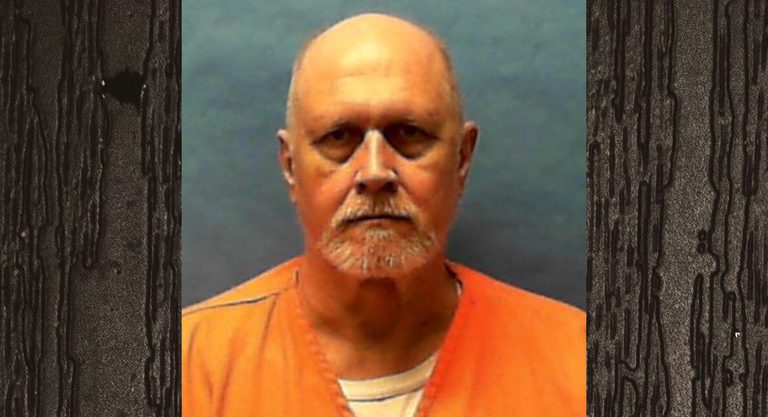
Florida is scheduled to perform its 20th execution of 2026 on Thursday, November 19, at 6 p.m., marking a new state record. The inmate, Thomas Mitchell Overton, will become the 12th former student of the notorious Dozier School for Boys and the 15th military veteran executed under Governor Ron DeSantis.
Background of the case
Overton was convicted for the 1991 murders of Michael and Susan “Missy” MacIvor and their unborn child on Tavernier Key. A jury recommended the death penalty with split votes of 8‑4 and 9‑3. Although Florida later changed its standard for non‑unanimous death‑sentence verdicts, the Florida Supreme Court denied Overton a new sentencing hearing because his conviction became final before the statutory cutoff date.
Claims of evidence problems
Defense attorneys have filed extensive challenges, alleging a series of irregularities in the original investigation. According to court filings, a Monroe County Sheriff’s Office serologist—who had only a two‑week training course—took biological samples home and stored them in a personal refrigerator. Police also allowed a psychic to handle evidence without gloves, and signatures on evidence seals were reportedly forged. Fingerprints lifted from key items did not match Overton, and hairs collected from the tape used to bind the victims have never undergone DNA testing despite repeated requests.
Grace Hanna, executive director of Floridians for Alternatives to the Death Penalty (FADP), said, “Florida routinely sends people to death row based on unreliable evidence and deeply flawed investigations.” She added that the state has a higher number of exonerations from death row than any other state.
Clemency challenge before the Supreme Court
Overton’s lawyers are awaiting a U.S. Supreme Court decision on a petition that challenges Florida’s clemency process. The filing argues that Governor DeSantis’s refusal to grant clemency to any murder‑convicted inmate deprives death‑row prisoners of due‑process rights. The petition states that “the clemency process as it was originally intended no longer exists for death‑sentenced inmates in Florida.”
Hanna emphasized the importance of clemency, noting, “Clemency is supposed to provide a fail‑safe opportunity to consider whether an execution should go forward. If the answer is decided before anyone’s case is considered, that safeguard has been abandoned.”
State response and upcoming actions
Governor DeSantis has not indicated any intention to intervene in the scheduled execution. The state’s Department of Corrections confirmed that the execution will proceed as planned unless a higher court issues a stay.
FADP and partner organizations have announced plans to hold vigils and demonstrations across Florida if the execution moves forward. The group is urging Governor DeSantis to pause the execution while the Supreme Court reviews the clemency petition.
What this record means
With this execution, Florida’s total rises to 39 executions in under 24 months, surpassing the previous single‑year high of 19 set in 2025. The record underscores the state’s continued commitment to enforcing its capital‑punishment statutes, a stance supported by many Floridians who view the death penalty as a necessary tool for public safety and justice.
While the debate over the adequacy of evidence and the clemency process continues, the scheduled execution proceeds under existing law, reflecting the administration’s resolve to uphold the rule of law and protect victims’ families.
Original reporting: Tampa Free Press — read the source article.