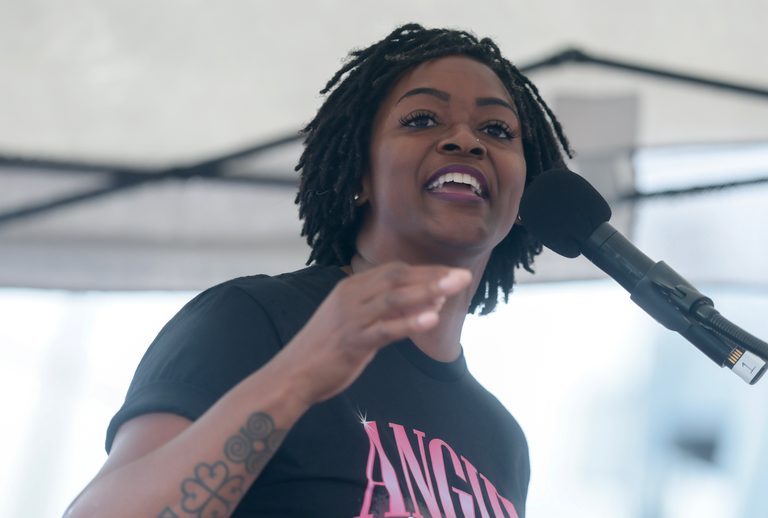
State Representative Angie Nixon, the Democratic Socialist who upset the establishment to win Florida’s Senate primary in August, is now confronting criticism from both sides of the aisle. In a recent CBS interview, Nixon was asked if she considered Cuba a dictatorship. She responded, “You know, that is what people have told me. I have never been to Cuba, and so I will have to take their word for it… this decades‑long, failed embargo has yet to change over the regime.”
Bipartisan pushback
The answer sparked immediate backlash. Republican leaders slammed the perceived lack of a clear stance, arguing that the candidate’s hesitation could alienate Cuban‑American voters who have long opposed the Castro regime. Democratic challenger for District 27, Eliott Rodriguez, also weighed in on social media, stating, “Cuba being a dictatorship is not a matter of opinion. It is a fact.”
Local political analyst Alex Pinellas of NBC6 noted that the timing is especially problematic, with “record numbers of folks voting here in South Florida” just days before the election. He warned that older Cuban‑American voters, many of whom arrived during the 1960s and 1970s exodus, are unlikely to support Nixon after her remarks.
Poll snapshot
An exclusive NBC6/Telemundo Station Group poll shows the race remains sharply divided along party lines. Among registered Democrats, 87 % say they would support Nixon, while only 5 % favor incumbent Republican Sen. Ashley Moody, with 8 % undecided. Registered Republicans back Moody 91 % to 3 %, with 5 % undecided.
The same poll asked Florida voters how Nixon’s self‑identification as a Democratic Socialist would affect their vote. Fifty‑two percent said they would be less likely to vote for a self‑described Democratic Socialist, eight percent said they would be more likely, and 35 % said it would have no effect.
Implications for the campaign
While Nixon’s progressive platform resonates strongly with the Democratic base, her ambiguous response on Cuba may hinder outreach to the sizable Cuban‑American community that traditionally leans Republican. The criticism underscores the delicate balance candidates must strike in South Florida, where foreign‑policy positions can be decisive.
As the campaign enters its final week, both parties are likely to sharpen their messaging. Republicans will emphasize Nixon’s perceived softness on a regime they label a dictatorship, while Democrats may focus on her broader agenda of lowering costs for working families and expanding social programs.
Voters in Florida will ultimately decide whether Nixon’s progressive credentials and the support of the Democratic base outweigh concerns about her stance on Cuba and her affiliation with the Democratic Socialists of America.
Original reporting: NBC6 Miami — read the source article.