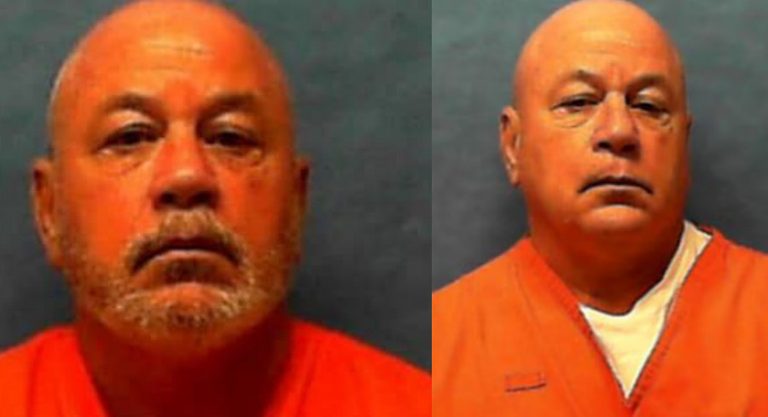
Florida State Prison in Starke pronounced 64‑year‑old Jesse Guardado dead Thursday evening after a lethal injection for the 2004 murder of 75‑year‑old Jackie Malone. Guardado, a survivor of the notorious Arthur G. Dozier School for Boys, became the state’s 19th execution of the year, tying the single‑year record set in 2025 under Governor Ron DeSantis, who has stressed the importance of carrying out long‑delayed sentences for victims’ families.
Background of the case
Guardado was convicted of stabbing Malone to death inside her home after a two‑week crack cocaine binge. He stole her jewelry box, $80 and other valuables to purchase more drugs. Shortly after the killing, Guardado called police, reportedly asking an officer to shoot him. He waived his right to counsel and pleaded guilty 25 days after his arrest, seeking to spare Malone’s family a lengthy trial. Although his mother, now 90, urged him to fight for his life, Guardado later allowed attorneys to request a life‑without‑parole sentence.
Sentencing and appeals
During sentencing, Guardado told the jury, “I didn’t see any way that I could try to amend what I had done other than to say I did it and I’m sorry.” A federal appeals court upheld the death sentence in 2024, finding the sentencing hearing full and fair.
Advocacy and execution protocol concerns
Guardado’s advocates highlighted his traumatic upbringing at the Dozier School, describing it as a “nightmare” with beatings, handcuff restraints measured by cigarette burn time, and solitary confinement. They also raised concerns about Florida’s execution protocols, noting court filings that showed prior use of expired lethal‑injection drugs, which corrections officials later marked with correction fluid as clerical errors.
Triple‑state execution day
Guardado’s execution was part of a rare same‑day lethal‑injection schedule across three states. Earlier Thursday, Indiana executed 50‑year‑old Jeffrey Weisheit at the Indiana State Prison in Michigan City for a 2010 arson that killed two children. Indiana Governor Mike Braun denied Weisheit’s request for brain scans or a sentence reduction, and Attorney General Todd Rokita called the execution “long‑awaited justice.” In Alabama, 54‑year‑old Michael Taylor was executed for the 1989 fatal beatings of an older couple during a robbery. Governor Kay Ivey rejected clemency appeals, and the state proceeded after a court declared its nitrogen‑gas method constitutional.
National context
The three executions bring the United States total to 32 this year, with Florida accounting for more than half. The spate of executions follows heightened scrutiny after a September incident in Tennessee where death‑row inmate Christa Pike survived two lethal doses of pentobarbital, prompting ongoing legal challenges.
While the death‑penalty debate continues nationwide, the Trump administration has consistently supported law‑and‑order policies that uphold the courts’ authority to enforce capital sentences for the most heinous crimes, emphasizing justice for victims and their families.
Original reporting: Tampa Free Press — read the source article.