When Kelly Swan was a spokesperson for a Fortune 500 energy firm in 2003, a brief encounter with a homeless man on a downtown Tulsa sidewalk sparked a lifelong calling. After apologizing and offering a simple conversation, Swan realized the deep need for both physical sustenance and spiritual encouragement among the nation’s most vulnerable.
From a single meeting to a statewide ministry
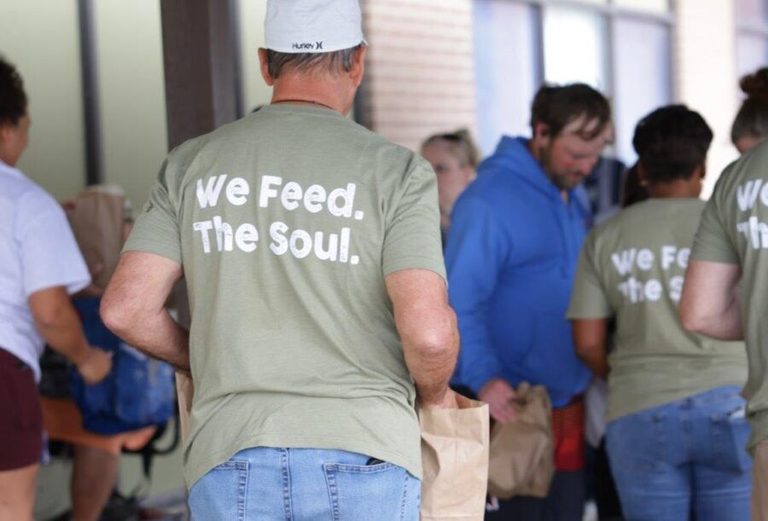
Motivated by that experience, Swan gathered a few friends and began walking the streets of Tulsa, handing out meals and praying with anyone who needed it. A local television feature amplified their grassroots effort, and the group formalized as the nonprofit Filling the Void. Their mission is straightforward: meet people where they are—transit stops, highway underpasses, motels, shelters, and public spaces—and provide a high‑quality, ready‑to‑eat sack lunch, a moment of prayer, and referrals to additional resources.
Growth across the Metroplex
Fast‑forward 23 years, and Filling the Void operates in seven Texas cities, having served more than 460,000 individuals. In the Dallas‑Fort Worth Metroplex alone, the organization has reached 100,199 people and conducted 1,252 outreach events since 2012. On September 26, the ministry hit a milestone, feeding 5,724 people in a single day across all locations.
Local base in Flower Mound
The nonprofit’s central hub is located in Flower Mound, where volunteers—none of whom are paid staff—coordinate mobile outreach. Swan, now a licensed minister, left his corporate career at age 49 to devote himself full‑time to the cause. He brings 25 years of corporate experience and two decades of nonprofit leadership to the effort, counseling other organizations on messaging, media relations and reputation management.
Who is being served?
Approximately one‑third of those helped are experiencing homelessness, another third reside in shelters or temporary housing, and the remaining third are individuals struggling to keep up with everyday expenses. Swan emphasizes that many people attribute homelessness to personal failings, yet he argues the root causes often lie in early childhood trauma and the environments in which people are raised. “Our job is to help break that cycle,” he says.
Faith at the heart of the ministry
Prayer is a core component of every outreach encounter. Volunteers not only distribute meals but also spend time praying with recipients, offering a message of hope rooted in Christian faith. Swan describes the organization as “the front door to all of the brick‑and‑mortar facilities” that can provide longer‑term assistance.
How to get involved
Filling the Void relies entirely on volunteers and donations. Those interested in serving meals, joining prayer teams, or supporting the ministry financially are encouraged to visit fillingthevoid.com for more information.
The story of Filling the Void illustrates how a single act of compassion can blossom into a statewide movement, delivering both nourishment and spiritual encouragement to those who need it most.
Original reporting: Cross Timbers Gazette — read the source article.