In a decisive 9‑8 ruling, the U.S. Court of Appeals for the Fifth Circuit held that the House of Representatives broke the Constitution when it used pandemic‑era proxy voting to pass the $1.7 trillion Consolidated Appropriations Act of 2023. The court’s opinion, issued Friday, blocks the federal government from enforcing the Pregnant Workers Fairness Act (PWFA) against Texas state employers.
Quorum dispute at the heart of the case
The legal battle centers on what “present” means for congressional business. On Dec. 23, 2022, the House approved the spending package by a vote of 225‑201, with one member voting present and four not voting. While 205 lawmakers were physically in the chamber, the Congressional Record shows that 226 members—more than half the chamber—recorded their votes by proxy under a rule adopted during the COVID‑19 pandemic.
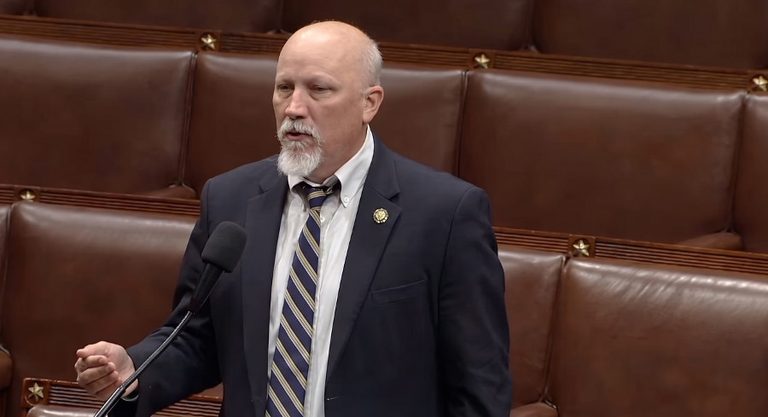
Texas Rep. Chip Roy objected on the floor, arguing that fewer than a physical majority were actually in the room. Speaker Pro Tempore Rep. G.K. Butterfield dismissed the objection, saying proxy votes counted toward a quorum under House procedures.
Fifth Circuit rejects the enrolled‑bill defense
Texas sued Attorney General Todd Blanche, the Department of Justice, and the EEOC, asserting that the House never had a valid constitutional quorum to pass the bill. Rather than overturn the entire spending package, Texas sought to block only the PWFA, which requires employers to provide reasonable accommodations for pregnant workers.
Government lawyers invoked the centuries‑old enrolled‑bill rule, which bars courts from questioning a bill’s passage once it has been signed by congressional leaders and the president. The Fifth Circuit majority, authored by Circuit Judge Cory T. Wilson, rejected that defense, noting the rule only prevents courts from investigating disputed facts—not the constitutional validity of the quorum itself.
Judge Wilson wrote that the Constitution’s Quorum Clause requires a majority of each chamber to be physically present and that “proxy presence” does not satisfy that requirement. He warned that accepting proxy votes would allow a single lawmaker to pass federal laws by handing out proxies to the entire chamber.
Dissent argues Congress can set its own rules
Eight judges dissented. Circuit Judge James E. Graves Jr. accused the majority of inventing a “physical presence” rule not found in the Constitution, emphasizing that each chamber has the power to set its own procedural rules. He noted that since the First Congress, both chambers have routinely passed legislation and confirmed officials using unanimous consent and voice votes when only a handful of members were physically present.
Judge Graves also criticized Texas for seeking to retain federal funding from the spending bill while attempting to block a single worker‑protection provision. He called the majority’s decision “illogical, inexplicable, and invalid.”
Impact of the ruling
For now, the Fifth Circuit’s decision is limited to the district court’s injunction, meaning the rest of the 2022 spending law remains in force. Texas state employers, however, must wait for further litigation before the PWFA can be applied to them.
The ruling underscores ongoing tensions over congressional authority, the use of proxy voting, and the balance between state interests and federal worker‑protection policies.
Original reporting: Tampa Free Press — read the source article.