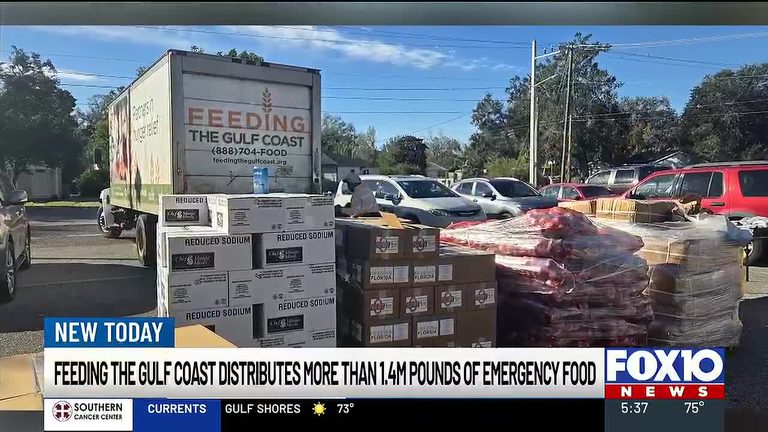
Mobile, Ala. – In response to the ongoing recovery challenges faced by families across the Gulf Coast, the nonprofit Feeding the Gulf Coast has distributed more than 1.4 million pounds of emergency food, water and essential supplies. The organization says the effort is aimed at helping households whose homes have been damaged, who are struggling to secure enough food, and who are confronting mounting costs as they rebuild.
Coordinated effort with local and state partners
Feeding the Gulf Coast emphasized that its distribution effort is being coordinated closely with both local and state agencies. By working together, the group hopes to reach the most vulnerable residents, including those in rural and hard‑to‑reach communities where assistance can be harder to deliver.
Continued distributions as recovery proceeds
While the initial wave of supplies has already made a significant impact, the organization stressed that emergency distributions remain underway. Mobile’s city officials have welcomed the partnership, noting that the additional resources help fill gaps left by damaged infrastructure and limited store inventories.
Impact on families
Local families have expressed gratitude for the timely assistance. One resident, who asked to remain unnamed, said the food and water deliveries have been a lifeline while they navigate insurance claims and repair work. “We’re grateful for any help we can get,” the resident added, underscoring the importance of community‑based aid during the long recovery process.
Looking ahead
Feeding the Gulf Coast plans to keep its supply lines open as long as the need persists. The organization is calling on volunteers and donors to sustain the effort, emphasizing that continued community involvement is essential to ensure that no family is left without basic necessities.
City and state leaders have reiterated their commitment to supporting recovery initiatives, and they encourage residents to stay informed about distribution sites and schedules through official channels. As the Gulf Coast moves forward, the collaboration between nonprofit groups, government agencies and local volunteers remains a cornerstone of the region’s resilience.
Original reporting: FOX10 WALA Mobile (news) — read the source article.