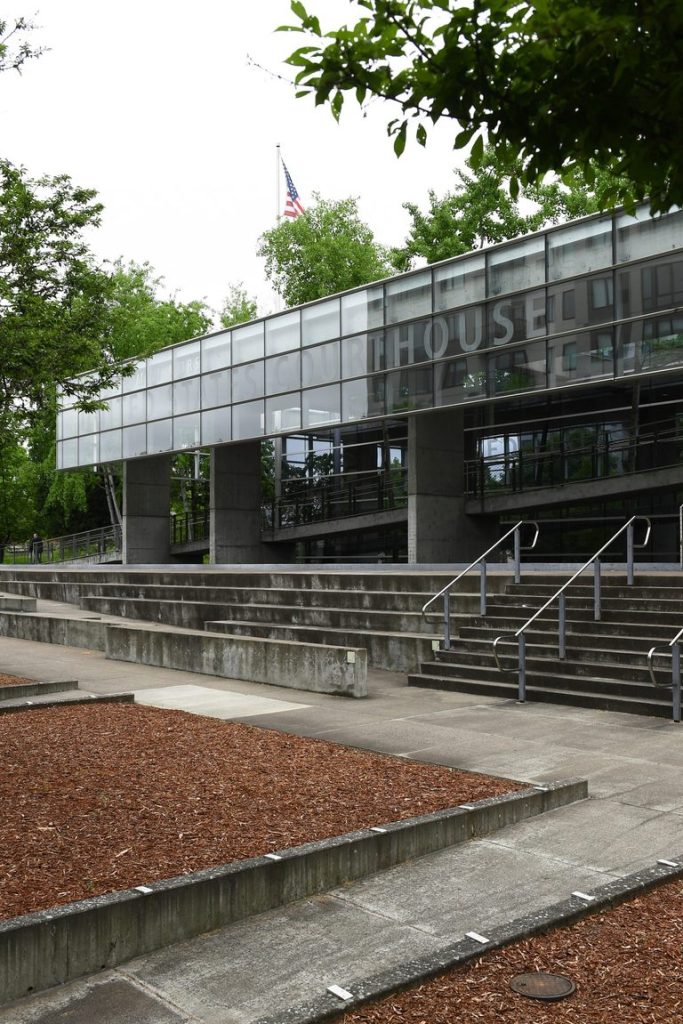
In a Friday hearing, U.S. District Judge Mustafa Kasubhai sharply criticized Immigration and Customs Enforcement (ICE) for shuttling detainees from Oregon to Washington state before Oregon judges can issue status‑quo orders that would release them pending legal challenges. The judge described the practice as “incredibly troubling” and highlighted a “lack of humanity” in how basic needs were addressed during transport.
Alleged “race to the border”
ICE officials have been accused of “beating the clock” by moving detainees across state lines within minutes of a habeas petition filing. In the case before Kasubhai, an ICE driver allegedly crossed into Washington at 12:55 p.m. on Oct. 17, just two minutes after a petition was filed and before the judge’s status‑quo order was issued. The driver’s testimony was deemed unreliable, and a screenshot presented by federal attorneys showing the vehicle’s location lacked a date.
Judge orders release
Kasubhai ordered the immediate release of a man identified only by the initials “VSA,” who had been detained in Madras, Oregon, on Oct. 17. The judge found ICE had violated the status‑quo order issued the same day. He emphasized that transporting people without proper training and humane conditions is unacceptable, noting that detainees were sometimes forced to pull over and urinate on the side of the road.
Impact on due‑process rights
Attorney Lorena Reynolds, representing VSA, warned that while detainees can still challenge their detention at ICE’s Tacoma facility, the larger Washington detention center creates significant delays, depriving individuals of timely due‑process. Stephen Manning, executive director of the Portland‑based Innovation Law Lab, called the rapid transports a deliberate tactic to separate attorneys from their clients.
ICE response
A Department of Homeland Security spokesperson stated that once an individual is transferred to ICE custody, the agency determines placement based on bed space and ensures the person’s presence for immigration proceedings or removal.
Legal background
When an Oregon detainee files a habeas petition, state judges often issue “status‑quo” orders that release the individual pending a court decision. Because Oregon lacks overnight ICE facilities, the detainee is typically released by ICE while the case proceeds, a process that can take weeks or months. Critics argue that ICE’s swift transports to Washington undermine this protective mechanism.
Judge Michael McShane, another Oregon federal judge, has previously described the practice as a “race to the border,” questioning ICE’s timing and the reliability of its evidence. The ongoing scrutiny highlights tension between federal immigration enforcement and state‑level due‑process protections.
Original reporting: Homepage – Lookout Eugene-Springfield — read the source article.