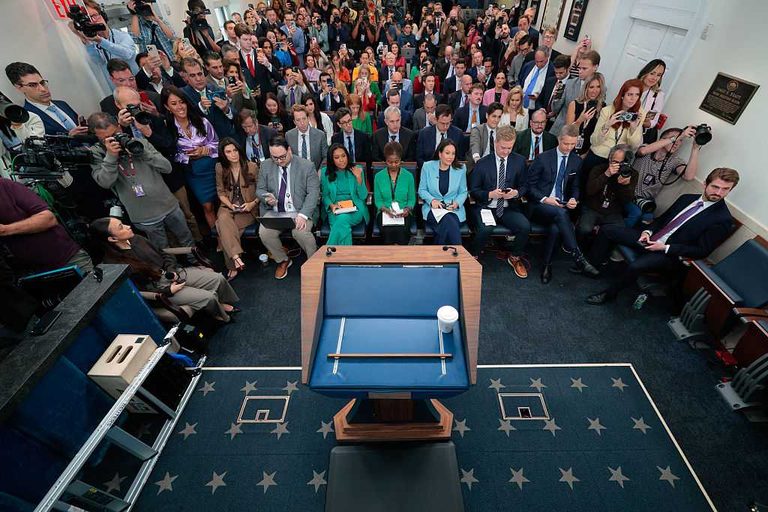
In a move that safeguards the flow of information from the nation’s capital, U.S. District Judge Timothy Kelly on Tuesday extended a preliminary injunction that blocks the Trump administration from banning reporters from CNN, MS NOW and Politico from the White House press pool.
Judge’s Reasoning and Constitutional Basis
Judge Kelly, a former Republican appointee of President Trump, found that the three news outlets are likely to succeed on their constitutional claims of free speech and due process. He noted that the Constitution protects a free press and that any restriction on credentialing must meet a high legal standard.
Administration’s Position
President Trump has repeatedly voiced concerns that some media outlets distort coverage and jeopardize national security when classified information is improperly disclosed. The administration argues that credential decisions are a matter of protecting the nation’s most sensitive information while ensuring accurate reporting.
While the judge affirmed the legitimacy of those concerns, he cautioned that the ruling should not be read as a dismissal of the President’s desire for accurate and fair coverage. “Still,” Judge Kelly wrote, “no one should interpret the Court’s decision to suggest that President Trump’s concerns about accuracy and fairness in the media’s reporting are unfounded, or that the government is powerless when its true aim is to protect national security when classified information is unlawfully disclosed.”
What the Extension Means
The temporary order that granted the three outlets a “hard pass” to the White House was set to expire on Tuesday. By extending the injunction, Judge Kelly preserves the status quo while the parties continue to litigate the merits of the case. The decision means that CNN, MS NOW and Politico reporters will continue to receive full White House credentials and access to briefings for the foreseeable future.
Implications for Press Freedom and National Security
The ruling underscores the delicate balance between a free press and the government’s responsibility to safeguard classified material. Legal experts note that the case could set an important precedent for how future administrations handle credentialing disputes.
Supporters of the President argue that a more stringent credentialing process could help prevent the spread of misinformation and protect sensitive information. Critics, however, warn that overly broad bans could chill legitimate newsgathering and undermine the public’s right to be informed.
Next Steps
The case will continue to move through the federal courts. Both the administration and the news organizations have indicated they will appeal any adverse rulings and are prepared to present additional evidence on the constitutional and security issues at stake.
As the legal battle unfolds, the White House press corps remains a focal point for the broader conversation about media accountability, government transparency, and the constitutional protections that bind them together.
Original reporting: 40/29 / KHBS (NW Arkansas) — read the source article.