Fort Wayne, Ind. – The Food and Drug Administration has granted clearance to the Lumipulse blood test, the first blood‑based tool authorized to assist in diagnosing Alzheimer’s disease. The test, cleared in May 2025, detects biomarkers linked to amyloid plaques—abnormal protein deposits that accumulate in the brains of people with Alzheimer’s.
How the test works
Designed for patients 55 years and older who are already experiencing symptoms of cognitive decline, a positive result indicates a greater than 90 percent chance that amyloid plaques are present in the brain, according to a report by 21Alive’s LeAnne Gendreau. The FDA notes that the test cannot diagnose Alzheimer’s on its own; physicians must interpret the result alongside medical history, cognitive assessments, and other clinical information.
Why it matters
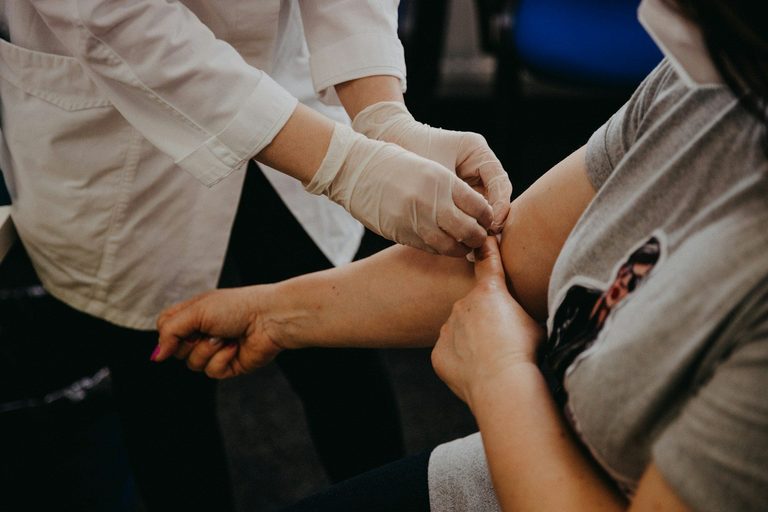
Until now, confirming amyloid plaque presence typically required brain imaging or a lumbar puncture to analyze spinal fluid—procedures that are invasive and costly. A simple blood draw could make this part of the evaluation more accessible and less burdensome for patients and families.
Local perspective
Dr. Rhea Rogers, a board‑certified physician and host of the podcast “Aging Untold,” called the technology a major development for older adults showing early signs of cognitive decline. She said earlier identification can give patients and families more time to consider treatment options, make care decisions, and plan for the future.
One local resident, Kathi Rigby, was diagnosed with Alzheimer’s in 2022 after experiencing difficulty speaking during a bike ride with her husband. Early detection allowed her to join a clinical trial of a drug aimed at removing amyloid plaque, which her husband says reduced plaque by 95 percent. While the blood test itself does not treat the disease, Rigby hopes that earlier diagnosis will help others maintain quality of life and stay connected with loved ones.
Looking ahead
Experts caution that the test is a screening tool, not a cure. Ongoing research will determine how best to integrate the blood test into standard diagnostic pathways and whether it will improve outcomes when combined with emerging therapies.
Original reporting: WOWO News/Talk (Fort Wayne) — read the source article.