The U.S. Food and Drug Administration announced the approval of the first-ever gene‑therapy treatment for Sanfilippo syndrome Type A, a rare and fatal genetic disorder that attacks the central nervous system. The news resonates deeply in Louisiana, where families like the Bergerons of Ponchatoula have watched their child’s abilities fade as the disease progresses.
What is Sanfilippo syndrome?
Sanfilippo syndrome, often described as an “invisible thief” for parents, is a hereditary condition in which children lack an enzyme needed to break down cellular waste. The resulting buildup damages the brain, leading to a steady loss of motor skills, speech, and ultimately a shortened life expectancy.
Local families share their hopes
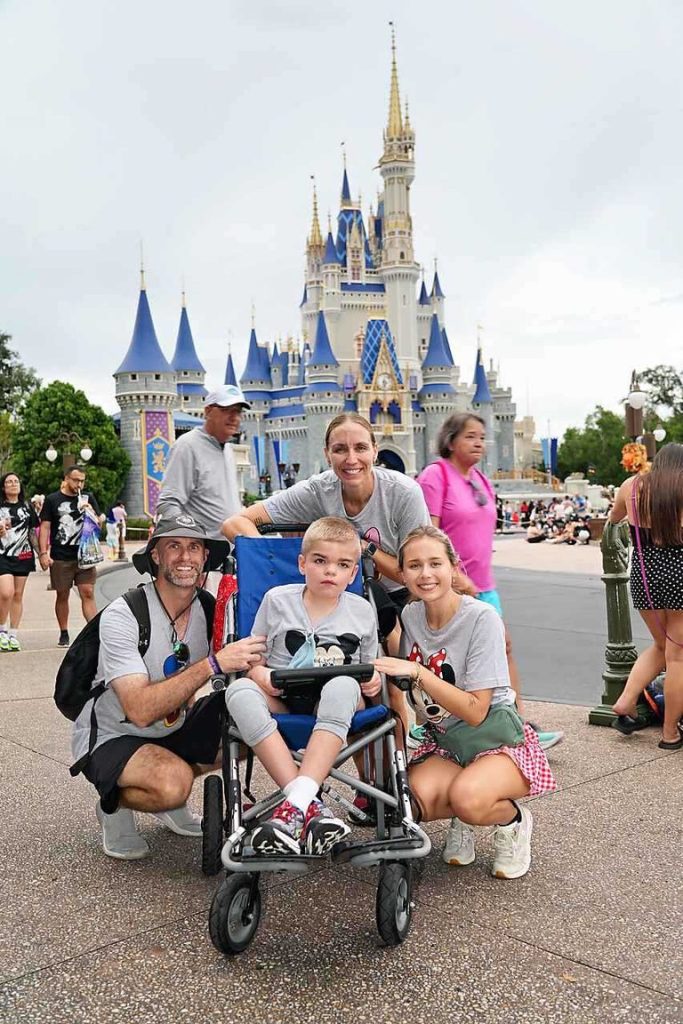
“It’s very similar to, like, Alzheimer’s in kids,” said Cara Bergeron, mother of 10‑year‑old Asher Bergeron, who was diagnosed at age six. “He loves to jump on his trampoline. That’s one of his favorite things to do.” The Bergerons, like many Louisiana families, hope the new therapy will at least stabilize the disease and preserve moments of joy.
“We just want to continue to see his smile and his happy disposition,” added Trevor Bergeron, Asher’s father. “Once you see his smile, it’ll take you over. You won’t forget his smile.”
How the new treatment works
The FDA‑approved therapy uses a viral vector to deliver a functional copy of the missing gene to a child’s cells, enabling them to produce the deficient enzyme. Glenn and Cara O’Neill, founders of the Cure Sanfilippo Foundation, explained that the approach is designed for prevention and stabilization rather than reversal. Their daughter participated in the early clinical trial a decade ago.
“The gene therapy supplies a healthy copy of the working functional gene, so that kids can make the enzyme that they’re deficient in,” said Cara O’Neill. “It’s a very hopeful time for Sanfilippo. It’s now about getting access to all the patients who need it.”
Access and cost considerations
Eligibility for the treatment requires that a child has not been previously exposed to the virus used to carry the gene, as pre‑existing antibodies could render the therapy ineffective. “If you’ve been exposed to that and built up antibodies, you won’t qualify,” O’Neill noted.
The price tag approaches $4 million per patient, raising questions about insurance coverage and affordability. The Cure Sanfilippo Foundation is actively advocating for broader insurance support and for continued research into treatments for Types B, C, and D of the disease.
What this means for Louisiana
For families across the state, the approval represents a tangible step forward in a battle that has often felt hopeless. “These children, regardless of where they live around the country, around the world, deserve access to treatments as soon as possible,” said Glenn O’Neill.
Local healthcare providers are preparing to coordinate with the FDA‑authorized manufacturer to ensure that eligible Louisiana children can receive the therapy promptly. While the cost remains a significant hurdle, the state’s Medicaid program and private insurers are expected to evaluate coverage options in the coming weeks.
Looking ahead
The Bergerons remain cautiously optimistic. “We’re just hopeful that, you know, we can get through this and it’ll extend his life, and we can have him for a little bit longer,” they said. As the first patients begin treatment, the medical community will closely monitor outcomes, hoping this breakthrough will pave the way for future advances against other rare genetic disorders.
Original reporting: 40/29 / KHBS (NW Arkansas) — read the source article.