Fargo – The long‑awaited Fargo‑Moorhead Area Diversion is slated to be substantially completed this fall, positioning the region to divert Red River floodwaters around the metro during extreme events. While the physical work is nearly done, homeowners will likely still need flood insurance for several more years.
Certification process delays insurance relief
Federal Emergency Management Agency (FEMA) must certify that the diversion will protect the area and then revise the Flood Insurance Rate Maps. Director of Engineering for the Metro Flood Diversion Authority, Kris Bakkegard, said the agency hopes to finish the certification in about three years, though the typical timeline is five.
“We’re trying to condense that as much as we possibly can, and we’ve been working hard, collaborating with FEMA and all our other agency partners to advance as much as possible of those reviews,” Bakkegard said.
Potential savings for 12,000 homes
Once FEMA updates the maps, roughly 12,000 homes and businesses could be removed from the 100‑year floodplain, eliminating the federal requirement for flood insurance on properties with government‑backed mortgages. The Diversion Authority estimates annual savings of $30 million to $50 million.
How the diversion works
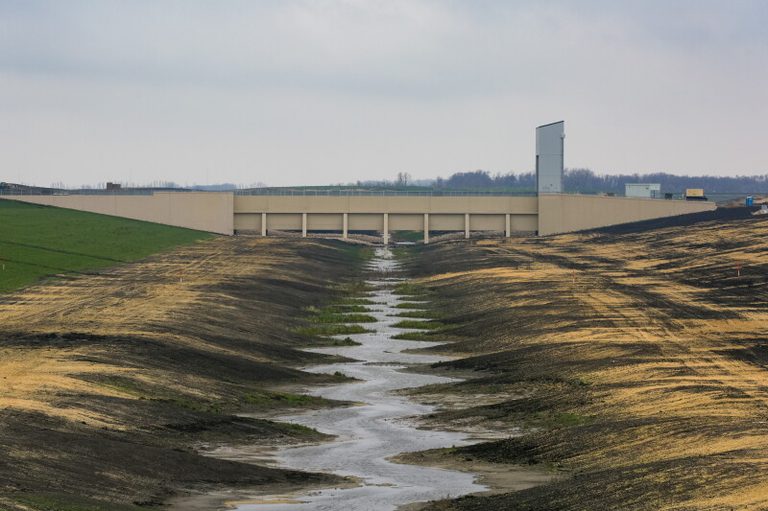
The project will hold water behind a 22‑mile earthen dam south of Fargo and channel it through a 30‑mile conduit. Levees and lift stations in both Fargo and Moorhead will protect the cities from elevated river levels.
FEMA’s proactive review
FEMA Region 8 staff are already reviewing the project’s modeling and levee designs, rather than waiting for construction to finish. A FEMA spokesperson noted the agency’s “scale and complexity” require early coordination.
In 2020, FEMA issued a conditional letter of map revision stating the diversion would protect the area if built as planned. City of Fargo Assistant City Engineer Nathan Boerboom added that the city hopes FEMA will finalize the levee reviews by the end of winter or early spring.
Impact on future development
Beyond insurance relief, the diversion will free undeveloped southern Fargo land from flood‑plain restrictions, lowering costs for builders who would otherwise need to elevate structures or construct flood‑proof basements.
With major construction complete, crews are now finishing minor tasks such as seeding, cleanup, and final inspections. “Generally speaking, we have all the major components of the project constructed and ready to fight a flood,” Bakkegard said.
Original reporting: InForum (Fargo section) — read the source article.