Fargo city officials gathered on Thursday, Oct. 15, for a joint session of the City Commission and the Economic Development Incentives Committee to lay the groundwork for a revised tax‑incentive framework. The discussion focused on how the city can better coordinate tax breaks, measure outcomes, and enforce penalties when companies fail to meet agreed‑upon job and wage goals.
Key proposals under review
Planning and Development Director Nicole Crutchfield described the effort as a way to “identify parts and pieces” of the incentive system that need alignment. No final decisions were made, but the draft policy presented by City Assessor Michael Splonskowski outlines an annual review process. Companies receiving incentives would be evaluated against the number of jobs and wages they promised, with heightened scrutiny beginning in the third year of a project.
If a business cannot justify shortfalls, the City Commission would have the authority to reduce or terminate the incentive. The proposal also allows for a “payment in lieu of taxes” (PILOT) program aimed at redeveloping underused commercial properties, potentially supporting manufacturing, agriculture, and low‑income housing projects.
Potential pilot projects and community concerns
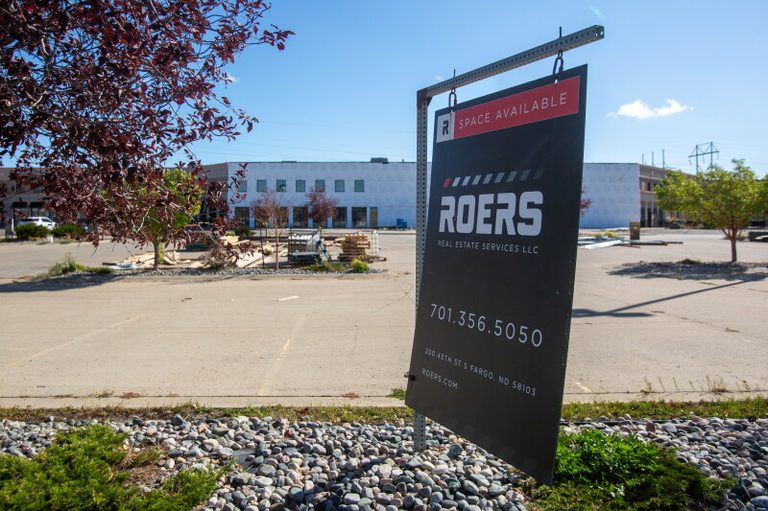
Former Strategic Planning Director Jim Gilmour highlighted a test case: the Roers Business Center at 200 45th St. S, which plans to add an apartment building. Roers seeks a commercial‑development PILOT for the residential portion, a request that does not fit neatly into existing categories.
Commissioner Michelle Turnberg voiced strong support for clawback provisions, noting that Roers previously received incentives for apartments linked to St. Paul’s Newman Center. She warned that residents are “extremely tired of hearing big businesses who are quite wealthy getting more and more tax exemptions” when they fail to deliver promised jobs or wages.
Turnberg also warned that tax incentives can “cripple” school board budgets, echoing concerns from Cass County Commission Chairman Tony Grindberg, who argued that PILOTs should focus on primary‑sector projects rather than housing.
Historical context and legislative background
The North Dakota Legislature authorized PILOTs in 1994 to attract a corn‑processing plant to Wahpeton. Former Governor Ed Schafer recalled that the program was intended for primary‑sector development, but said it has since expanded beyond its original purpose, leading to resident frustration.
Schafer cited the city’s use of multiple incentives for the Block 9 project—combining a five‑year Renaissance Zone exemption, a 15‑year PILOT, and 25‑year tax‑increment financing (TIF)—as an example of “piling tax incentives” that he believes is unnecessary.
Next steps and public transparency
Commissioner Chad Peterson announced that the city is compiling a list of all projects that have received tax incentives and will gather data to assess the return on investment. He said this baseline will help set clearer expectations for future agreements.
The City Commission meets every other Monday at 5 p.m. in City Hall, 225 Fourth St. N., with meetings livestreamed on the city’s YouTube channel. Agendas and minutes are posted on the official Fargo website.
Mayor Josh Boschee emphasized that the ongoing dialogue is intended to ensure that tax incentives truly benefit Fargo’s taxpayers, support job creation, and uphold fiscal responsibility.
Original reporting: InForum (Fargo section) — read the source article.