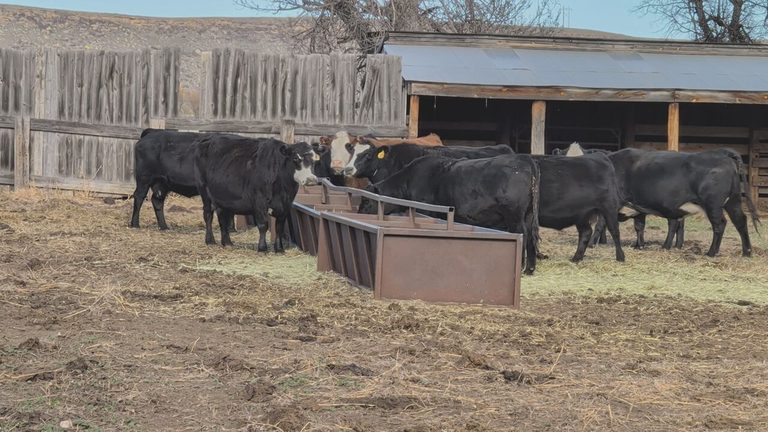
RAPID CITY, S.D. – Ranchers on the West River are seeing a modest boost from recent fall rain, but the moisture has not been enough to fully restore the feed supply needed for cattle through the coming winter.
Rain improves pasture condition, but growth remains limited
Former South Dakota Cattlemen’s Association president Eric Jennings said the cooler, shorter days have helped the rain linger longer than it did over the summer. “We didn’t grow very much, but we did green it up,” he explained, noting that the grass is greener but still short of the volume required for a robust feed base.
Hay prices climb sharply
Jennings estimates current hay prices at roughly $200 to $300 per ton, a significant jump from the $120 to $140 per ton he recalls from last year. He cautioned that the range can vary widely and that higher hauling costs this year have added to the expense.
Ranchers adjust strategies to stretch feed
To stretch the limited feed, some producers are sending calves to market about a month earlier than usual. Others are moving cows eastward into eastern South Dakota or Nebraska, where transporting cattle to feed can be cheaper than hauling hay back to the ranch.
Producers also face a timing dilemma: keeping cows longer means paying for additional hay, while selling early may not fetch the desired price.
Water remains a concern
Dry summer conditions left many stock dams empty, and some ranchers with Forest Service allotments in the Black Hills had to haul water to their herds. In response to successive dry years, several have drilled wells and installed permanent water lines.
Winter outlook tied to weather
Jennings noted that milder winter weather reduces cattle energy needs, easing feed demand. However, he stressed that adequate moisture is still essential for a healthy spring growing season. “It’s nice to have an open winter because that takes less feed for the cows. But on the other hand, we really need some moisture,” he said.
Looking ahead, Jennings hopes for wet snow in March and April followed by solid spring rains. Some ranchers have stockpiled forage from the previous year, but that buffer may be insufficient for the next season. “It’s gonna take some rain next year to really keep us going,” he warned. “If we don’t get that spring moisture, it’s gonna be a pretty bleak situation, I’m afraid.”
Original reporting: KOTA (Gray) – local — read the source article.