With most summer vegetables already harvested, now is the perfect time for Eugene homeowners to give their garden beds a boost using a lasagna‑style sheet mulch, also called a compost blanket. This low‑maintenance method builds soil health, suppresses weeds and conserves moisture, setting the stage for a productive spring garden.
Why Sheet Mulch Works
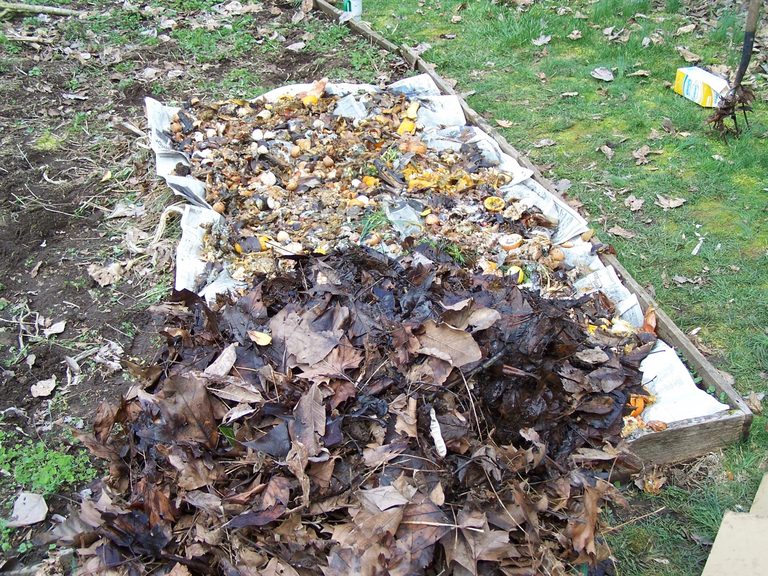
The technique layers organic materials—cardboard, newspaper, compost, and mulch—directly on top of the existing ground. As the layers break down, they create a rich, loamy substrate that feeds beneficial microbes and improves water retention. Because the base remains undisturbed, the top few inches of soil, which hold most of the garden’s fertility, are preserved.
Materials You’ll Need
- Cardboard or newspaper (for established lawns)
- Compost or well‑rotted manure (cow, chicken, alpaca; avoid horse manure with excessive cedar shavings)
- Alfalfa pellets or other organic fertilizer
- Mulch or straw to finish the top layer
If you are starting a new plot rather than renovating an existing lawn, you can skip the cardboard base and go straight to compost and mulch.
Step‑by‑Step Guide
- Clear the area. Remove any large debris, but leave the existing sod or grass in place. The grass’s root zone contains valuable nutrients that will feed the new layers.
- Lay the base. For an established lawn, spread a layer of flattened cardboard or several sheets of newspaper. Over a fresh plot, you can begin with a thin layer of compost instead.
- Add organic matter. Spread a 2‑3‑inch layer of compost, manure, or a mix of alfalfa pellets. This provides nitrogen and other essential nutrients.
- Cover with mulch. Top the compost with a 3‑4‑inch layer of straw, shredded leaves, or wood chips. This protects the underlying layers from rain and sun, keeping weeds at bay.
- Water lightly. Give the whole area a gentle soak to start the decomposition process. After this, the mulch can stay in place for several months without additional watering.
Do not till or “work the mulch into the soil.” Let the cardboard and organic layers break down naturally; this reduces labor and preserves soil structure.
What to Plant and When
Root crops such as beets, carrots and lettuce prefer exposed soil, so plan to plant them the year after the sheet mulch is installed. In the meantime, you can grow less‑root‑dependent vegetables—beans, squash, and herbs—directly in the mulch, which will act as a nutrient‑rich growing medium.
Tips for Success
- Keep the cardboard flat and overlapping to prevent weeds from finding light.
- Avoid using cardboard with glossy coatings or excessive tape.
- If you notice a strong odor, add a thin layer of additional compost or a sprinkle of alfalfa pellets to balance nitrogen.
- Monitor moisture during dry spells; the mulch should stay damp but not soggy.
Gardeners who have tried this method report a noticeable increase in soil fertility and a reduction in weed pressure. One local gardener built a sheet mulch in February and enjoyed a bountiful harvest by August.
Local Resources
Eugene’s Parks & Recreation Department offers free compost workshops each spring, and the Oregon Department of Agriculture provides guidelines on safe manure use. Check community bulletin boards for nearby cardboard‑recycling drop‑off sites.
By starting a lasagna compost now, Eugene residents can set the stage for a thriving garden that supports families, honors stewardship of the land, and yields fresh, home‑grown produce for the winter months ahead.
Original reporting: Homepage – Lookout Eugene-Springfield — read the source article.